Nuthatches: Agile Acrobats of the Bird World
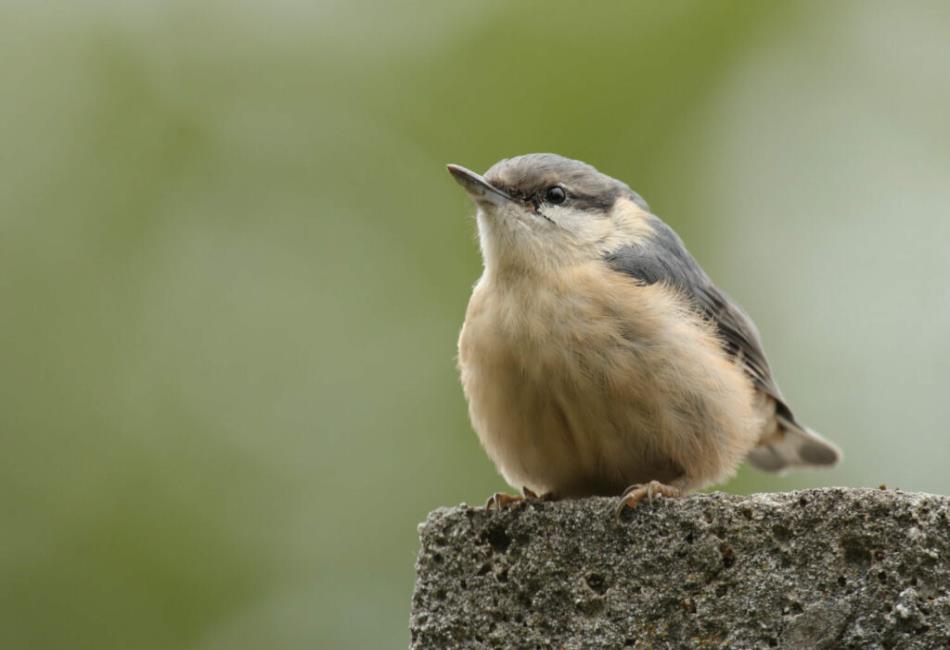
Nuthatches are fascinating small birds known for their distinctive behavior, unique anatomy, and versatile habitats. With their ability to walk headfirst down tree trunks and their melodious calls, nuthatches have captivated birdwatchers and ornithologists alike. This article explores the intriguing world of nuthatches, their characteristics, habits, ecological importance, and the joy they bring to bird enthusiasts.
Overview of Nuthatches
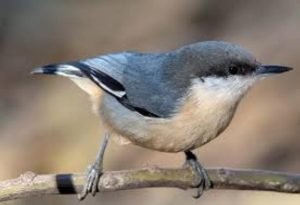
The nuthatch family, scientifically known as Sittidae, includes about 30 species found across North America, Europe, Asia, and parts of Africa. These small passerine birds are easily recognized by their compact bodies, short tails, strong legs, and long, pointed beaks. Their plumage typically features shades of blue-gray on the upper parts, with lighter underparts that may range from white to buff, often accented by a black eye stripe or cap.
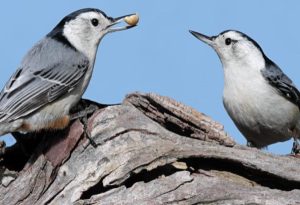
Nuthatches get their name from their habit of wedging nuts and seeds into tree bark and hammering them open with their beaks. This behavior exemplifies their resourcefulness and adaptability, qualities that make them successful inhabitants of a wide range of environments.
Behavior and Unique Traits
One of the most distinctive features of nuthatches is their ability to climb down tree trunks headfirst, a trait not shared by most other birds. This skill is made possible by their strong claws and flexible hind toes, which provide a secure grip. This unusual movement allows nuthatches to spot insects and seeds hidden in crevices that are often missed by other birds, such as woodpeckers or treecreepers.
Nuthatches are also known for their vocalizations, which include a variety of whistles, trills, and calls. These sounds serve as communication between mates, warnings of predators, or territorial signals. Their calls are often described as cheerful and melodious, adding a lively presence to their habitats.
Diet and Feeding Habits
Nuthatches have an omnivorous diet that varies with the seasons. During warmer months, they primarily feed on insects, spiders, and other small invertebrates, which they forage by probing tree bark and foliage. In colder months, they switch to seeds, nuts, and berries, often storing food for later use.
Their caching behavior is particularly noteworthy. Nuthatches hide food in bark crevices, under leaves, or even beneath stones, often remembering these locations with remarkable accuracy. This adaptation helps them survive during harsh winters when food is scarce.
Habitat and Distribution
Nuthatches are widely distributed across the Northern Hemisphere, with different species adapted to a range of habitats. They are most commonly found in deciduous and mixed forests, where mature trees provide ample food and nesting opportunities. Some species, like the white-breasted nuthatch (Sitta carolinensis), are common in suburban areas, adapting well to gardens, parks, and feeders.
Key species and their habitats include:
- White-Breasted Nuthatch (Sitta carolinensis): Found across North America, often in oak and hickory forests.
- Red-Breasted Nuthatch (Sitta canadensis): Prefers coniferous forests in North America.
- Eurasian Nuthatch (Sitta europaea): Widespread across Europe and Asia, favoring deciduous woodlands.
- Brown-Headed Nuthatch (Sitta pusilla): Native to the southeastern United States, commonly inhabiting pine forests.
Breeding and Nesting
Nuthatches are cavity-nesters, often using natural tree holes or old woodpecker nests. They may also modify the entrance of their chosen cavity by smearing mud around the opening, which helps deter predators and competitors. The female nuthatch lines the nest with soft materials like moss, fur, or feathers to create a cozy environment for her eggs.
A typical clutch consists of 5-9 eggs, which are white with reddish-brown speckles. The female incubates the eggs while the male provides food. Once the chicks hatch, both parents work tirelessly to feed and protect their young. Fledging occurs within about three weeks, with the juveniles often remaining with their parents for some time before becoming independent.
Ecological Importance
Nuthatches play a vital role in their ecosystems. As insectivores, they help control pest populations, benefiting trees and other plant life. Their caching behavior also contributes to forest regeneration, as seeds they fail to retrieve may germinate and grow into new plants.
Additionally, nuthatches are an integral part of bird communities. Their interactions with other species, such as chickadees and titmice, often involve cooperative foraging, where mixed-species flocks work together to locate food and avoid predators.
Threats and Conservation
While most nuthatch species are not currently threatened, habitat loss due to deforestation and urbanization poses challenges. The brown-headed nuthatch, for example, has experienced declines in population due to the loss of pine forests in the southeastern United States.
Conservation efforts for nuthatches focus on preserving and restoring their natural habitats. Providing nest boxes, planting native trees, and maintaining forested areas are effective ways to support these birds.
Attracting Nuthatches to Your Backyard
For bird enthusiasts, nuthatches can be a delightful addition to backyard feeders. To attract them, consider the following tips:
- Food: Offer a mix of sunflower seeds, suet, peanuts, and mealworms, which are among their favorite foods.
- Feeders: Use sturdy feeders that allow nuthatches to cling and access food easily.
- Habitat: Plant native trees and shrubs to provide natural foraging opportunities and potential nesting sites.
- Water: A birdbath or fountain can be a valuable resource, especially in dry seasons.
By creating a nuthatch-friendly environment, you can enjoy their charming antics and melodious calls up close.
Conclusion
Nuthatches are remarkable birds that bring joy, beauty, and ecological benefits to the environments they inhabit. Their agility, resourcefulness, and vibrant personalities make them a favorite among birdwatchers and nature lovers. Whether in the wild or at your backyard feeder, nuthatches are a reminder of the wonder and resilience of nature. Protecting their habitats ensures that these small acrobats continue to thrive for generations to come.