Lark Bird: Nature’s Songbird and Its Fascinating World
The lark, known for its melodic songs and captivating flight, is one of nature’s most admired birds. Belonging to the family Alaudidae, larks are found across diverse habitats worldwide, from open grasslands to arid deserts. Their beauty lies not just in their physical appearance but in their remarkable behaviors, ecological significance, and cultural symbolism.
Physical Characteristics
Larks are small to medium-sized birds, ranging in length from about 12 to 24 centimeters, with a wingspan of 20 to 40 centimeters. They typically weigh between 20 to 60 grams, depending on the species. Their plumage is often dull and camouflaged in shades of brown, gray, and white, helping them blend seamlessly into their surroundings. This inconspicuous coloration provides essential protection from predators in their open habitats.

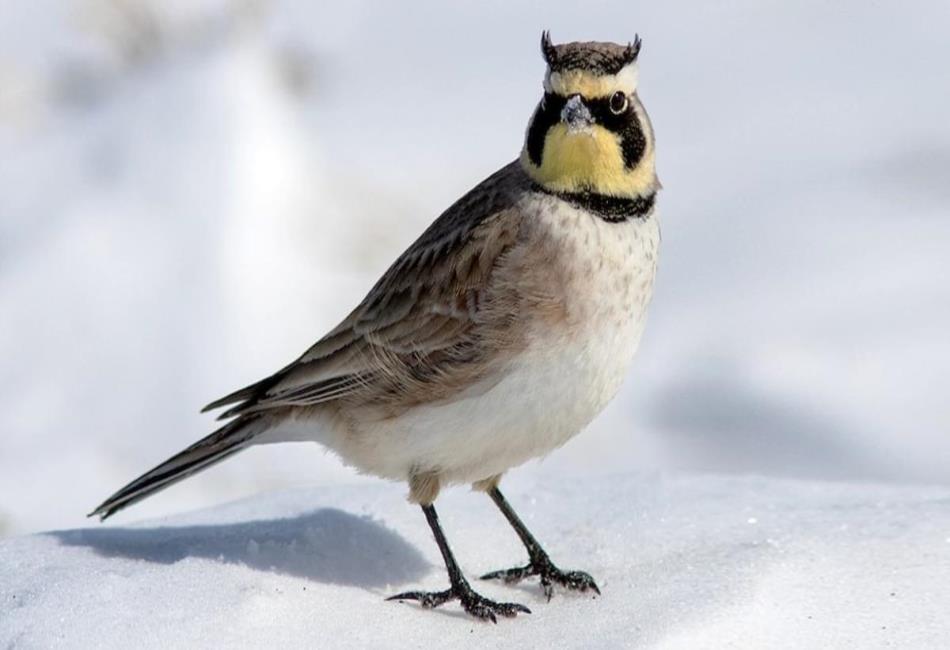
Despite their modest appearance, larks are noted for their distinct physical features. Many species have a crest on their head, which they raise when excited or during courtship displays. Their long hind claws, known as hallux, aid in perching on uneven surfaces and digging into the ground.
Habitat and Distribution
Larks are found on every continent except Antarctica. Their adaptability allows them to thrive in a variety of habitats, from temperate grasslands to deserts and alpine meadows. The Eurasian skylark (Alauda arvensis), one of the most well-known species, is widespread across Europe, Asia, and North Africa. Other notable species include the horned lark (Eremophila alpestris), which inhabits North America, and the crested lark (Galerida cristata), found in parts of Europe, Asia, and Africa.
While some larks are sedentary, others are migratory, moving seasonally to find favorable climates and food sources. For example, the skylark migrates between Europe and Africa, depending on the time of year.
Behavior and Diet
Larks are ground-dwelling birds that are adept at walking and running, often foraging for food on the ground. Their diet primarily consists of seeds, insects, and other small invertebrates. During the breeding season, they rely more heavily on insects to meet their increased nutritional needs.
One of the most remarkable aspects of lark behavior is their vocalization. Larks are renowned for their elaborate and melodious songs, which they deliver while perched or during impressive flight displays. The skylark, in particular, is celebrated for its “song flight,” where it ascends high into the sky while singing continuously before descending in silence. These songs serve various purposes, including territorial defense, mate attraction, and communication.
Breeding and Nesting
Larks are generally monogamous, forming pairs during the breeding season. Their nests are built on the ground, often hidden among vegetation to protect against predators. Female larks construct cup-shaped nests using grass, leaves, and other plant materials.
The female lays a clutch of two to six eggs, depending on the species, which she incubates for about 11 to 14 days. Once hatched, both parents feed the chicks with insects and other high-protein foods. The young fledge within two to three weeks, but they remain dependent on their parents for several more weeks.
Ecological Importance
Larks play a crucial role in their ecosystems. As insectivores, they help control pest populations, and as seed dispersers, they contribute to plant propagation. Their presence often indicates healthy grassland or desert ecosystems, as they are sensitive to habitat changes.
However, larks face several threats, including habitat destruction, agricultural intensification, and climate change. The skylark, for instance, has experienced significant population declines in parts of its range due to the loss of traditional grasslands and changes in farming practices.
Cultural Significance
Larks have long held a place in human culture and literature, often symbolizing joy, freedom, and the beauty of nature. In poetry and music, their songs are celebrated as representations of hope and inspiration. William Shakespeare frequently referenced larks in his works, including Romeo and Juliet and Sonnet 29, where the bird symbolizes renewal and the dawn of a new day.
The phrase “happy as a lark” stems from the bird’s cheerful and uplifting song, which resonates with its symbolic association with happiness and optimism. In various cultures, larks are also considered harbingers of good fortune or messengers from the divine.
Conservation Efforts
Given the ecological and cultural importance of larks, efforts to conserve their populations are critical. Conservation programs often focus on habitat restoration, such as re-establishing grasslands and maintaining traditional farming practices that support lark populations. In Europe, agri-environment schemes encourage farmers to create skylark-friendly habitats by leaving uncultivated patches in their fields.
Organizations like BirdLife International and local conservation groups work tirelessly to monitor lark populations, raise awareness about their plight, and implement measures to protect their habitats. Public participation in citizen science initiatives, such as birdwatching and species counts, also plays a vital role in conservation efforts.

Larks in the Modern World
Despite the challenges they face, larks continue to captivate bird enthusiasts and nature lovers worldwide. Their resilience and adaptability make them a testament to the wonders of the natural world. Watching a lark take flight or listening to its song is an experience that connects people to the beauty and complexity of the ecosystems these birds inhabit.
Conclusion
The lark bird, with its enchanting songs, graceful flight, and ecological importance, is a true marvel of nature. From the vast grasslands of Eurasia to the arid deserts of Africa, larks inspire awe and admiration. As we strive to protect these remarkable birds, their melodies remind us of the delicate balance of life and the importance of preserving our planet’s biodiversity. Whether admired for their cultural significance or their ecological role, larks remain a symbol of hope, joy, and the enduring beauty of the natural world.