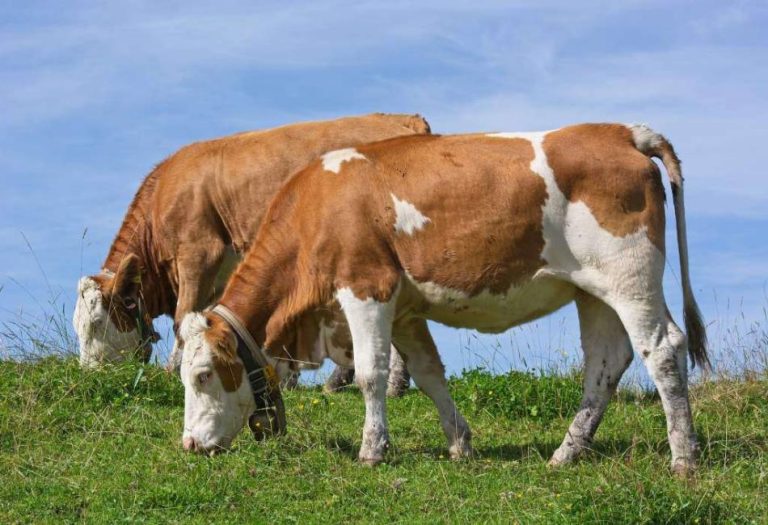

Animal-Themed Slang Words and Their Meanings
Slang has a way of making language fun and lively. One category that stands out is animal-themed slang. These expressions often compare human traits, actions, or situations to animals. They are not only creative but also help convey meaning quickly. If you want to understand everyday conversations better, learning these slang words can be useful. For instance, you might have come across slang like nmms meaning in online chats. Knowing the animal references behind slang can make communication clearer and sometimes even entertaining.
Animal-themed slang shows up in casual speech, social media, and even in movies. People use them to describe personalities, actions, or appearances in a way that everyone can visualize. Let’s explore some common examples and their meanings.
1. Catty
The word “catty” is used to describe someone who is intentionally cruel or spiteful in subtle ways. For example, if someone makes a sneaky remark about a friend’s outfit, you could say they are being catty. The term comes from the idea that cats can sometimes act sneaky or scratch unexpectedly.
2. Chicken
Calling someone a “chicken” means they are scared or unwilling to do something risky. This slang has been around for a long time and is often used in both serious and playful situations. For example, a friend might tease another for not trying a rollercoaster ride by saying, “Don’t be such a chicken!”
3. Horse Around
To “horse around” means to play or act in a silly, rough, or playful manner. The phrase comes from how horses move energetically and sometimes unpredictably. It is often used when people, especially children or friends, are joking around or goofing off.
4. Bullish
In business or personal contexts, being “bullish” means confident or optimistic about a situation. It comes from the bull, an animal known for strength and assertiveness. For instance, investors might be described as bullish when they expect the stock market to rise.
5. Cash Cow
A “cash cow” refers to something that generates a lot of money steadily. The phrase is borrowed from the idea of cows giving milk, which can be collected regularly. For example, a successful product in a company’s lineup might be called a cash cow because it reliably brings in profits.
6. Pig Out
“Pig out” is slang for eating a large amount of food quickly. It plays on the stereotype of pigs eating as much as possible without restraint. You might hear someone say, “I’m going to pig out on pizza tonight,” meaning they plan to eat a lot without worrying about portions.
7. Dog Days
“Dog days” refers to the hottest days of summer, but in slang, it can also mean periods of laziness or inactivity. The term originates from the ancient belief that the star Sirius, called the Dog Star, caused extreme heat during this time. People might say, “These dog days are slowing everyone down,” to refer to sluggish energy during summer.
8. Busy Beaver
A “busy beaver” describes someone who is constantly active or hardworking. Beavers are known for building dams and staying productive, so the term fits people who are always doing something. For example, you could compliment a friend by saying, “You’ve been a busy beaver today,” when they complete multiple tasks.
9. Snake in the Grass
This phrase describes a hidden threat or someone who pretends to be friendly but is actually deceitful. It comes from the idea of a snake hiding in grass, ready to strike unexpectedly. You might warn someone by saying, “Watch out for that new colleague; they could be a snake in the grass.”
10. Eagle-Eyed
Being “eagle-eyed” means having very sharp vision or noticing details that others might miss. Eagles are known for their exceptional eyesight, so the term is used to describe people who are careful and observant. For instance, a teacher might be eagle-eyed when grading papers, spotting small mistakes easily.
11. Cold Fish
A “cold fish” is someone who seems emotionally distant, reserved, or unresponsive. This slang uses the cold nature of fish to describe a person who appears detached or indifferent in social situations. You could say, “He’s a cold fish at parties,” meaning he doesn’t easily engage with others.
12. Wolf Pack
A “wolf pack” refers to a close-knit group that works together or sticks together in challenges. Wolves are social animals known for hunting and living in packs. People might describe a friend group as a wolf pack if they are loyal and protective of one another.
13. Monkey Business
“Monkey business” describes mischief, trickery, or playful chaos. Monkeys are often seen as playful and mischievous, which is why the term fits. For example, a teacher might warn students, “No monkey business in class,” when they are goofing around.
14. Fishy
Calling something “fishy” means it seems suspicious or not quite right. The term plays on the sense that fish can sometimes smell off when something is wrong. For example, if a deal sounds too good to be true, you might say, “This offer seems fishy.”
15. White Elephant
A “white elephant” is a possession that is more trouble than it is worth, often costly or difficult to maintain. The term comes from the rare white elephants in Asia, which were sacred but expensive to care for. People might refer to an old car that constantly breaks down as a white elephant.
16. Let the Cat Out of the Bag
This phrase means to reveal a secret accidentally or prematurely. The origin is from markets where merchants might trick buyers with a bag containing a cat instead of a piglet. Today, it is used casually, such as saying, “I accidentally let the cat out of the bag about the surprise party.”
17. Lion’s Share
A “lion’s share” means the largest portion of something. The term comes from the idea that lions take the biggest portion when feeding. For example, in a business deal, one partner might get the lion’s share of profits if they contributed the most.
18. Bee in Your Bonnet
Having a “bee in your bonnet” means being obsessed or preoccupied with an idea or problem. The image comes from a buzzing bee causing distraction. Someone might say, “He has a bee in his bonnet about the new policy,” meaning he can’t stop thinking about it.
19. Dog and Pony Show
A “dog and pony show” refers to an elaborate presentation or event meant to impress people. It comes from traveling shows featuring dogs and ponies performing tricks. In modern slang, it can describe a meeting or event that seems overdone just to gain attention.
20. Rat Race
The “rat race” refers to the competitive, exhausting struggle in work or life, often without real progress. It compares humans to rats running in cages or wheels. For example, someone might complain, “I’m tired of the rat race,” expressing frustration with constant competition.
Animal-themed slang connects our language to the natural world. It makes communication colorful and easy to understand. From “pig out” to “lion’s share,” these expressions offer a mix of humor, insight, and vivid imagery. Understanding these phrases not only improves comprehension but also adds personality to everyday speech.
Whether chatting online, texting friends, or working in an office, these terms show how human experiences can be reflected in animal traits. Learning and using them keeps language fun and relatable.