Plover: Nature’s Agile Shorebird
The plover is a fascinating group of birds known for their agility, distinctive calls, and remarkable adaptations to shorelines and grasslands worldwide. As members of the Charadriidae family, plovers thrive in a variety of environments, from sandy beaches to grassy plains. Their intriguing behaviors, ecological importance, and the challenges they face in the modern world make them a compelling subject for bird enthusiasts and conservationists alike.
Characteristics and Appearance
Plovers are small to medium-sized birds characterized by their compact bodies, relatively short tails, and slender legs. Their plumage is typically subtle, often a mix of browns, grays, whites, and blacks, which provides excellent camouflage in their natural habitats. Many species display distinctive markings, such as bands across the chest or patches of color on the face.
One notable feature of plovers is their large, expressive eyes, adapted for foraging in low light conditions, such as dawn or dusk. They also have short, straight bills, ideal for picking insects and small invertebrates from the ground.
Distribution and Habitat
Plovers are widely distributed across every continent except Antarctica. They are most commonly found in coastal areas but are equally at home in inland environments like wetlands, grasslands, and even deserts. Some species, like the Kentish plover or piping plover, are specialists of sandy shorelines, while others, such as the killdeer, prefer open fields and farmland.
Migratory species like the golden plover undertake incredible journeys between breeding and wintering grounds, traveling thousands of miles each year. These migrations demonstrate their adaptability and resilience in navigating diverse terrains and climates.
Behavior and Diet
Plovers are known for their “run-and-pause” foraging technique. Unlike many other birds that continuously probe or peck, plovers dart forward in quick bursts, stopping abruptly to pick prey from the ground. This behavior allows them to efficiently hunt insects, worms, mollusks, and crustaceans.
Their feeding habits play a crucial role in maintaining the balance of ecosystems, as they help control populations of invertebrates. Additionally, plovers are vocal birds, using their calls to communicate with mates, warn of predators, or signal distress.
Breeding and Nesting
Plovers are ground-nesting birds, often selecting open areas with sparse vegetation to lay their eggs. The simplicity of their nests—usually shallow scrapes in the ground—makes them vulnerable to predation and environmental disturbances. To compensate, plovers have evolved excellent camouflage for their eggs and chicks, which blend seamlessly with their surroundings.
Many plovers exhibit remarkable parenting behaviors. For instance, adults will feign injury to distract predators from their nests, a strategy known as the “broken-wing display.” This tactic showcases their dedication to protecting their young.
Notable Species
Piping Plover (Charadrius melodus)
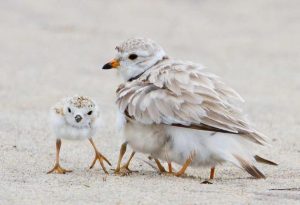
The piping plover is one of the most recognizable species due to its pale coloration and black headband. Found primarily along North America’s Atlantic coast and the Great Lakes, this species is listed as endangered in some regions due to habitat loss and human disturbances.
Killdeer (Charadrius vociferus)
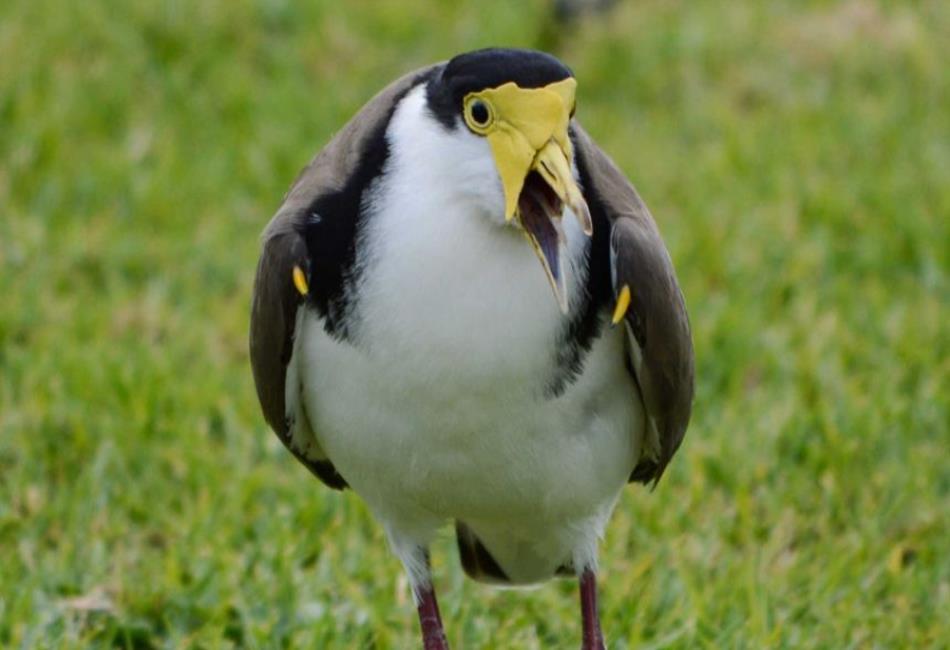
Named for its distinctive, loud call, the killdeer is a larger plover that often inhabits agricultural fields, golf courses, and urban parks. Unlike its coastal relatives, the killdeer is highly adaptable to human-altered environments.
Pacific Golden Plover (Pluvialis fulva)
Known for its stunning golden-spotted plumage, the Pacific golden plover undertakes one of the longest migrations of any bird species, flying nonstop over vast oceanic distances between Alaska and Pacific islands.
Black-Bellied Plover (Pluvialis squatarola)
This species is the largest plover and is distinguished by its striking black belly during the breeding season. It is widely distributed across the globe and is a common sight along coastlines during migration.
Conservation Challenges
Despite their adaptability, plovers face numerous threats, many of which are linked to human activities. Habitat destruction, caused by coastal development, agriculture, and pollution, is a significant concern. Recreational activities on beaches can disrupt nesting sites, leading to decreased breeding success.
Climate change poses another challenge, as rising sea levels and changing weather patterns threaten the delicate balance of coastal ecosystems. Predation by invasive species, such as rats and cats, further exacerbates their vulnerability.
Efforts to protect plovers include the establishment of protected areas, public education campaigns, and habitat restoration projects. For species like the piping plover, targeted conservation programs have shown promise, though challenges remain.
Cultural and Ecological Significance
Plovers hold an important place in the ecosystems they inhabit. By preying on insects and other small organisms, they help regulate populations and contribute to soil health. Their presence often indicates a healthy environment, making them valuable as ecological indicators.
Culturally, plovers have inspired folklore, poetry, and art. Their resilience and resourcefulness resonate with human values, and their distinctive behaviors make them a favorite among birdwatchers.
Observing Plovers in the Wild
For bird enthusiasts, watching plovers can be a rewarding experience. Early mornings or late afternoons are the best times to observe these birds, as they are most active during these hours. Coastal areas, wetlands, and grasslands are prime locations for spotting plovers, especially during migration seasons.
To ensure their well-being, it’s important to observe plovers from a respectful distance and avoid disturbing their nesting sites. Many conservation organizations provide guidelines on ethical birdwatching practices.
Conclusion
The plover is a remarkable bird, embodying resilience, adaptability, and ecological importance. From their unique foraging behaviors to their incredible migratory journeys, plovers captivate both scientists and nature enthusiasts. However, their survival depends on our collective efforts to protect their habitats and mitigate the challenges they face. By understanding and appreciating these agile shorebirds, we can contribute to the preservation of their legacy for generations to come.


![Unveiling the INCA TERN [Larosterna inca]](https://birdzpedia.com/wp-content/uploads/2024/01/Inca-Tern-768x402.jpg)