
Selling a Baltimore, Maryland Home: Cash Offers or Traditional Listings?
Key Takeaways
- A higher purchase price can result in less money available at closing after accounting for repairs, commissions, seller credits, and holding costs.
- Traditional listings can suit market-ready homes when the seller has time to prepare, host showings, complete inspections, and secure financing.
- Cash offers can be useful for sellers who prioritize an as-is sale, a defined closing date, or fewer preparation demands.
- Every seller should review proof of funds, contingencies, assignment language, cancellation rights, and settlement costs.
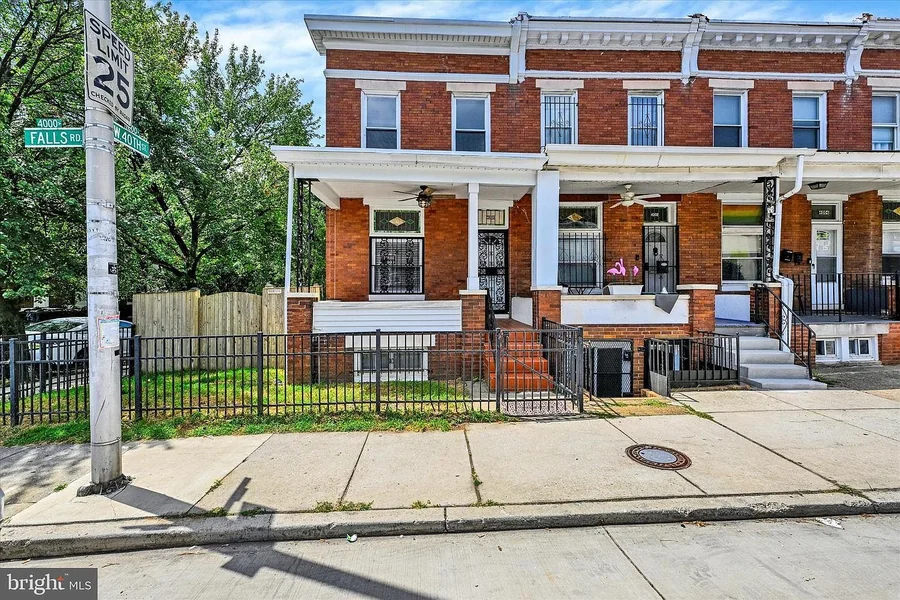
A Baltimore home sale can look very different depending on the property, the neighborhood, and the owner’s timeline. An updated home ready for showings may benefit from broad market exposure. At the same time, an older rowhouse with repair needs, a vacant inherited property, or a tenant-occupied rental may call for a simpler route. Direct MD Cash Buyers is a Maryland home-buying company that describes its as-is cash purchase services for homeowners in Baltimore, Baltimore County, Harford County, Anne Arundel County, and nearby communities. Its focus on properties in varying conditions makes it a relevant example of the direct-sale option discussed here. The best choice is not always the one with the highest number at the top of an offer. Baltimore sellers should compare likely net proceeds, repair expenses, timing, buyer reliability, and the terms written into the agreement before deciding how to move forward.
Two Main Ways to Sell a Baltimore Home
Traditional Listing
A traditional listing generally involves preparing the property, setting a list price, marketing it, allowing showings, reviewing offers, and working through inspection, appraisal, financing, and closing. Preparation may include cleaning, painting, landscaping, photography, staging, and repairs. This route can expose a home to more potential buyers, but it can also involve a longer and less predictable process.
Direct Cash Sale
A direct cash sale involves receiving an offer from a buyer who does not plan to rely on a standard mortgage approval. Cash does not automatically make an offer safer or better. The seller should still ask for written terms, current proof of funds, the buyer’s legal name, and a clear explanation of who will handle the settlement. Homeowners comparing local direct-sale providers can also review Direct MD Cash Buyers to understand how one Maryland buyer presents its cash offer and flexible closing process. That review should be only one part of a broader comparison of offers and contract terms.
Compare the Real Money, Not Just the Offer Price
Use the same checklist for every option. Start with the purchase price, then subtract the expenses that are likely to come from the seller’s proceeds:
- Repair, cleanup, moving, or staging costs.
- Agent commissions and seller-paid credits, when applicable.
- Settlement charges, transfer taxes, and payoff amounts.
- Mortgage payments, insurance, utilities, property taxes, lawn care, and maintenance before closing.
For example, a traditional offer of $350,000 might sound stronger than a lower cash offer. However, the comparison changes if the listing path requires substantial repairs, incurs several months of carrying costs, requires commission payments, or results in a credit after inspection. The practical question is how much money remains after all expected deductions.
When Each Path May Fit
A Traditional Listing May Make Sense When
- The home is clean, functional, and ready for frequent showings.
- The seller can accommodate inspections, negotiations, and lender timelines.
- The property is likely to appeal to owner-occupants seeking a move-in-ready home.
- The seller wants broad exposure and can tolerate uncertainty if a buyer’s financing or appraisal falls through.
A Cash Offer May Fit Better When
- The property needs major work to the roof, plumbing, electrical, foundation, or structure.
- The owner is handling an inherited house, belongings left behind, or a family decision that requires a simpler sale.
- The home is vacant, damaged, difficult to show, or occupied by tenants.
- The seller faces relocation, divorce, foreclosure pressure, debt concerns, or a narrow moving deadline.
An as-is sale can reduce preparation work, but it does not eliminate the need for title review, settlement documents, disclosure duties, or careful reading of the purchase agreement.
Timing and Holding Costs in the Baltimore Area
Monthly costs can quickly change the economics of a sale. Estimate the mortgage, taxes, insurance, utilities, exterior upkeep, security, and any urgent repairs for every month you expect to own the home. Seasonal weather can also affect exterior work and contractor scheduling. A faster closing may have real value when a property is vacant, an estate has deadlines, or the owner needs to relocate.
How a Typical Cash Sale Works
- Share the address and basic details about the property.
- Allow the buyer to review the condition and ownership information.
- Request a written offer stating the price, closing date, costs, and contingencies.
- Verify proof of funds and determine whether the buyer can assign the agreement.
- Have a title company or settlement professional review title issues and payoff requirements.
- Read every contract provision before signing.
- Confirm possession, move-out expectations, and how sale proceeds will be delivered at closing.
Check the Buyer and the Contract
Whether the buyer is an investor, an individual, or a company, ask direct questions. Is the buyer purchasing personally or assigning the contract to someone else? Are there an inspection period, an extension right, a cancellation right, or a fee that could change the deal? When will earnest money be deposited? Which closing costs will the seller pay? Promises involving cleanup, repairs, tenant arrangements, or a closing date should appear in writing. Be especially cautious with agreements that provide a small upfront payment in exchange for a long-term obligation tied to the home. In May 2026, the Maryland Attorney General announced charges related to homeowner benefit agreements that allegedly imposed long-lasting obligations, including terms affecting heirs and successors. An independent attorney can help review an unusual agreement before it affects title or a future sale. Homeowners behind on property taxes should also avoid assuming that an immediate sale is the only choice. Maryland’s 2026 tax-sale homeowner protections legislation includes changes to the Homeowner Protection Program and became effective on October 1, 2026. Sellers experiencing serious financial hardship may wish to explore available options before signing a contract under pressure.
Quick Side-by-Side Comparison
- Speed: A cash sale may close on a negotiated schedule, while a listing depends on marketing, inspections, appraisal, financing, and settlement.
- Repairs: Cash buyers may accept more condition issues, while traditional buyers may request repairs, credits, or price reductions after inspection.
- Exposure: A listing can reach a broader pool of buyers. A direct sale is generally limited to the buyer making the offer.
- Risk: Cash sales require careful review of proof of funds and contract language. Listings can face financing, appraisal, inspection, and buyer-withdrawal risks.
Common Questions
Is a cash offer always lower?
Not necessarily, but cash buyers often account for repairs, resale risk, and the convenience of purchasing without a typical loan process. Compare net proceeds rather than price alone.
Can a tenant-occupied property be sold?
Often, yes. The lease, tenant rights, required notices, access for inspections, and possession terms should be addressed before closing.
Can an inherited Baltimore home be sold before probate is complete?
Authority to sell depends on the estate, title, and probate status. A settlement professional or estate attorney can clarify who has legal authority to sign.
Choose the Sale Method That Matches Your Goals
Baltimore homeowners have more than one valid path to sell. A traditional listing may be right for a market-ready home and a flexible timeline. A cash offer may be more practical for a damaged, inherited, vacant, tenant-occupied, or time-sensitive property. The strongest decision comes from comparing net proceeds, timing, buyer reliability, and the terms of the written contract.
Conclusion
Selling a home in Baltimore involves more than choosing the offer with the highest purchase price. Homeowners should consider repair expenses, closing costs, holding costs, buyer reliability, and the time required to complete the transaction. A traditional listing may be suitable for properties ready for showings. At the same time, a direct cash sale may be an alternative for owners dealing with inherited homes, property damage, tenant occupancy, or relocation deadlines. Direct MD Cash Buyers is one local company that offers as-is home purchases in Baltimore and surrounding Maryland communities. Regardless of the selling method, reviewing proof of funds, understanding contract provisions, and confirming settlement details can help sellers make informed decisions. Ultimately, the right approach depends on the property’s condition, the owner’s financial priorities, and the timeline that best fits their circumstances.