
How To Sell A House As-Is In Wilmington, North Carolina Without Costly Surprises
Key Takeaways
- An as-is sale means the seller does not plan to make repairs, not that known problems can be concealed.
- Wilmington homeowners should pay close attention to moisture, drainage, roof condition, wind damage, corrosion, and wood rot.
- Minor safety and maintenance work can be worthwhile, while large renovations may not produce a matching return.
- Comparing net proceeds, timelines, contingencies, and closing costs is more useful than comparing offer prices alone.
- Clear disclosures, records, and written contract terms help reduce last-minute closing issues.
Selling a property in its current condition can be a practical choice for Wilmington homeowners facing expensive repairs, inherited homes, relocation deadlines, vacancies, or houses that need more work than they want to take on. Homeowners considering a direct sale can review options for selling a house in Wilmington at https://northshorecashoffer.com/we-buy-houses-wilmington/ and compare whether a traditional listing better fits their goals.
Wilmington’s coastal setting brings distinct considerations. A home near the Cape Fear River, the Intracoastal Waterway, or the beach communities may draw questions about drainage, past storms, insurance, roof age, and exterior maintenance. An as-is strategy can work well, but it starts with an honest view of the property’s condition.
What As-Is Means In a Wilmington Home Sale
In an as-is sale, the seller communicates that they do not intend to complete repairs before closing or in response to a buyer’s inspection findings. It does not mean a buyer cannot inspect the property, investigate its history, request records, or decide not to proceed during an applicable due diligence period.
For example, a seller may decide not to replace an aging roof before listing the property. That is different from describing the roof as new, denying a known leak, or attempting to hide water damage. The North Carolina Real Estate Commission explains that an as-is sale still allows buyer inspections and does not eliminate the importance of accurate information.
For owners who need a shorter timeline, the choice is not limited to a public listing. Some sellers explore how to sell house fast in North Carolina through a direct buyer, then weigh that option against the potential price and preparation required for a conventional sale.
Local Property Issues To Review Before Selling
Before setting a price or accepting an offer, create a written list of conditions. Wilmington’s humid climate and coastal exposure can make routine maintenance especially relevant to a buyer’s decision.
Items That Often Deserve Attention
- Roof wear, missing shingles, flashing problems, or signs of past wind damage.
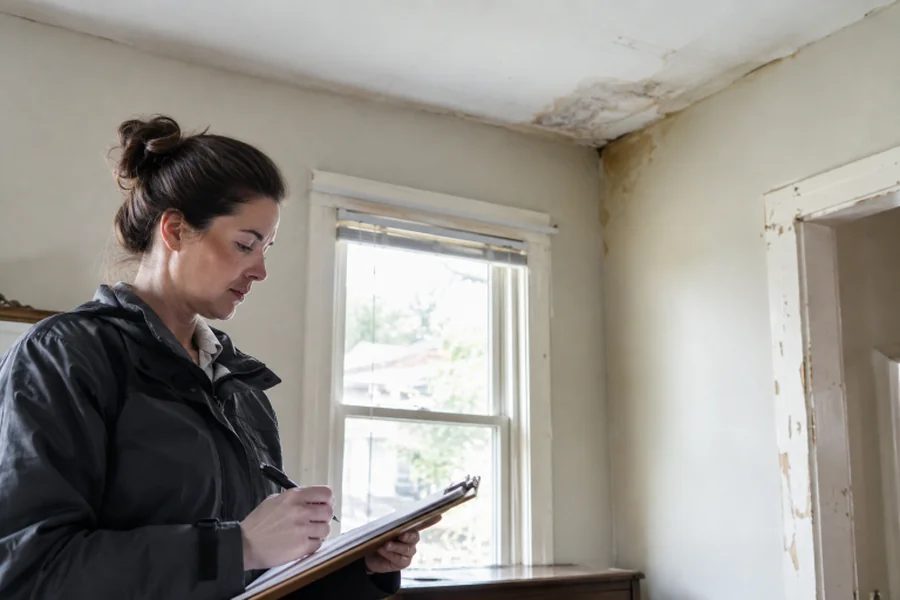
- Damp crawl spaces, plumbing leaks, stained ceilings, mold concerns, or water intrusion.
- Drainage around the foundation, standing water, and the property’s flood-zone status.
- Salt-air corrosion on exterior metal components, HVAC equipment, railings, and fasteners.
- Wood rot on decks, trim, siding, window frames, and exterior doors.
- Termite activity, older plumbing or electrical systems, septic systems, and unpermitted work.
A property does not need to be near the water to have moisture or drainage concerns. Avoid guessing about the cause of a condition. If a major issue is uncertain, an inspection or contractor opinion may provide useful information for pricing and disclosure decisions.
Which Repairs Are Worth Making?
An as-is sale does not require doing nothing. The better question is whether a repair is likely to protect the property, reduce buyer concerns, or improve the seller’s net result. Addressing an active leak, unsafe stairs, loose railings, broken locks, pest activity, or missing smoke detectors may be sensible because these issues can affect safety and buyer confidence.
By contrast, a full kitchen replacement, luxury bathroom remodel, major addition, or elaborate landscaping project may not be necessary when the home will be marketed in its current condition. Use a simple test: compare the repair cost, time required, expected price impact, and holding costs such as mortgage payments, utilities, taxes, and insurance. If the likely gain is smaller than the expense and delay, selling as-is may be the more practical route.
North Carolina Disclosure Responsibilities
As-is language does not remove every responsibility. Sellers should complete applicable disclosure documents carefully and avoid giving inaccurate answers about known conditions. Roof leaks, prior water intrusion, structural concerns, HVAC failures, plumbing defects, termite damage, sewer or septic problems, HOA matters, and unpermitted improvements can all be important subjects to review.
North Carolina guidance notes that sellers may be liable when they knowingly conceal or misrepresent a material latent defect that a buyer could not reasonably discover. The Commission’s discussion of known hidden property defects is a useful reminder to be direct and accurate. For estate matters, divorces, liens, foreclosure concerns, boundary disputes, or multi-owner situations, a North Carolina attorney can provide advice tailored to the transaction.
How To Set a Fair As-Is Price
A realistic price reflects location, square footage, lot characteristics, visible condition, repair needs, recent comparable sales, and the likely buyer pool. It should also account for costs that affect what the seller actually receives, including loan payoff amounts, taxes, association balances, commissions if applicable, closing expenses, and ongoing ownership costs.
Focus on net proceeds rather than the highest headline offer. A larger offer with financing uncertainty, extensive repair requests, or a distant closing date may produce a less favorable outcome than a lower but cleaner offer with verified funds and limited contingencies.
Comparing Buyer And Sale Options
- Traditional listing: May expose the property to more buyers and support a stronger market price, but can involve showings, negotiations, commissions, and a longer preparation period.
- For-sale-by-owner: Gives the seller control over marketing and negotiations, but requires managing pricing, scheduling, paperwork, and buyer screening.
- Cash buyer: Can reduce financing-related uncertainty and may suit a home needing substantial work, though the offer may be below a renovated retail value.
- Investor or builder: May be a fit for vacant, damaged, inherited, or redevelopment properties. Compare several written offers rather than relying on a single estimate.
A Step-By-Step As-Is Selling Process
- Gather records. Collect tax information, mortgage details, surveys, permits, warranties, insurance documents, leases, and HOA records.
- Document known conditions. Make a room-by-room list and retain current photos of visible issues.
- Choose an inspection approach. A pre-listing inspection is optional, but it can help identify pricing and disclosure issues before negotiations begin.
- Request and compare written offers. Review the price, deposit, contingencies, fees, requested repairs, proof of funds, and expected closing date.
- Review the contract carefully. Pay attention to due diligence, title requirements, default provisions, possession terms, and any agreed repairs.
- Prepare for closing. A qualified closing professional can help identify title, payoff, lien, and document issues before they derail the transaction.
Frequently Asked Questions
Can I list a Wilmington house as-is?
Yes. A seller can generally market a home in its current condition, provided the transaction follows applicable contract and disclosure requirements.
Does as-is prevent inspections?
No. Buyers may still inspect the property and conduct other due diligence before committing to close.
Should I repair storm-related damage first?
Active leaks and safety hazards should be evaluated promptly. Cosmetic updates may be optional when their likely return does not justify the cost or delay.
Conclusion
Selling a house as-is in Wilmington, North Carolina, can reduce renovation stress and create a workable path forward for the right property. The strongest approach is to understand the home’s condition, disclose known issues honestly, price for the real work involved, compare the complete terms of the offer, and resolve title or paperwork questions early.