Bathroom Exhaust Fan Troubleshooting: Fixing Common Issues
Have you used a bathroom that has foggy mirrors, damp walls, and even mold? This often happens when there is no proper ventilation facility in there. An exhaust fan for the bathroom is a necessity for this particular reason. It will remove excess moisture, odours, and steam from the bathroom. The place will not appear like a mini-sauna long after you have stepped out, and will be fresh and dry within minutes.
But such places demand extra care for even your trusted fans. That does not mean that you will always need to call an electrician. Many problems can be fixed with a little troubleshooting. Let’s decode common issues with your exhaust fan for the bathroom.
Fan Is Running But Not Doing Its Job
Sometimes, your fan sounds alive, but the bathroom still feels like a steam room. Here are possible reasons:
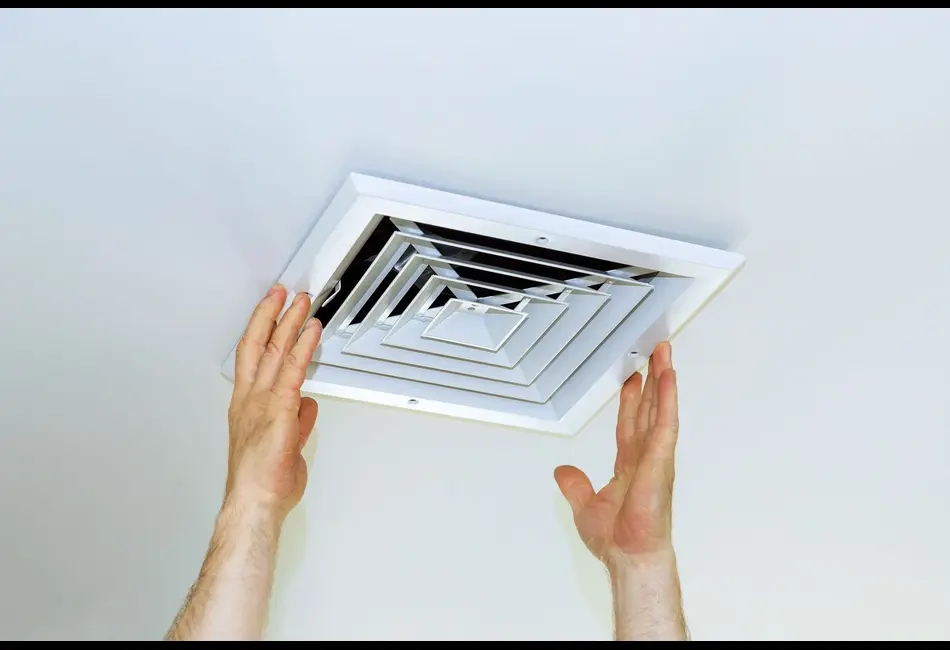
- Dirty Grille: Dust and lint clog the grille over time and limit airflow. You have to remove it and clean it with warm and soapy water. A quick vacuum around the blades also helps.
- Stuck Dampers: The exterior damper may not be opening fully. Clear away debris gently while moving it with your hand.
- Very Airtight Bathroom: If your bathroom is very compact and sealed, then the fan has no air to pull. You have to keep the door slightly open or trim it to leave a small gap.
- Ductwork Issues: A torn or poorly installed duct reduces airflow. Check if it’s properly attached, repair holes with aluminium tape, and ensure the path is not too long or twisted.
Fix these, and your exhaust fan for bathroom should breathe freely again.
Drips, Stains, or Water Trouble
Notice water dripping from the fan or stains on the ceiling? It is due to condensation. Possible culprits include:
- Stuck Outside Damper: If it does not open fully, then warm air condenses inside the duct.
- Missing Insulation: Ducts without insulation never warm up in cold climates, so moisture builds up.
- Wrong Venting: Condensation can lead to mold and even structural damage if your fan vents into the attic instead of outside.
Your exhaust fan for the bathroom must always vent outdoors.
When the Fan Gets Noisy
You will notice your fan roaring like an old vehicle at times. You can do a few things to fix it:
- Dust and Dirt: A quick cleaning can silence it.
- Worn-Out Motor: If cleaning does not help, the motor might be wearing down. Many models let you replace the motor instead of the entire fan.
A noisy exhaust fan for the bathroom is often a cry for maintenance, not a replacement.
Cold Air Sneaking In
Sometimes the fan seems to work in reverse, letting in chilly air. Usually, the damper is stuck open.
- Clear away debris blocking the flap.
- Check the spring or mechanism that should close it.
Once fixed, your exhaust fan for the bathroom will go back to doing what it should—keeping air moving out, not in.
When the Fan Refuses to Start
No sound, no movement. You must troubleshoot:
- Check Power Supply: Flip the switch on/off, reset the circuit breaker, or replace a blown fuse.
- Blocked Vents: A blocked vent can also be the reason that prevents spinning. So, you can switch off the power, remove the grille, and clean it out.
- Faulty Motor: If the motor makes grinding or rattling noises before dying, there is an indication that it may need replacement.
Sometimes, it is as simple as a loose wire or faulty switch. A basic inspection often saves the day.
Pro Tips to Keep Your Fan Healthy
Troubleshooting is great, but prevention is better. Here are some simple practices to make sure your exhaust fan for bathroom keeps running smoothly for years:
- Clean the grille every few months.
- Inspect ducts for leaks or bends.
- Run the fan for 15 minutes after a shower to clear moisture.
- In humid climates, consider insulating ducts.
- Replace old fans after 10–12 years with modern energy-efficient ones.
Modern Features to Look For
If your fan is beyond repair, it may be time to upgrade. Modern exhaust fans for bathrooms come with impressive features:
- BLDC Motors: Use less power, saving up to 60% on electricity.
- High Suction Power: Quickly removes moisture and odours.
- Low Noise: Operates almost silently, unlike older fans.
- Rust-Free Blades and Covers: Ensures durability in damp conditions.
- Smart Controls: Remote, app, or even voice control for convenience.
- Water and Dust Resistance: Keeps performance steady in challenging environments.
Troubleshooting Summary
| Problem | Likely Cause | Quick Fix |
| Fan running, but no airflow | Dirty grille / stuck damper | Clean grille, free damper |
| Water dripping / stains | Missing insulation/attic venting | Insulate the duct, vent outside |
| Noisy fan | Dust build-up / old motor | Clean or replace the motor |
| Cold air entering | Damper stuck open | Remove debris, fix the mechanism |
| The fan won’t start | Power issue / faulty motor | Check breaker, replace motor |
Conclusion
So, you see that the exhaust fan for the bathroom, although not the most glamorous appliance in your home, yet it has an important role. It keeps your space healthy, odour-free, and mould-resistant. Most issues are easy to troubleshoot with basic checks and cleaning.
If all else fails, you must get a modern, energy-efficient exhaust fan for the bathroom. Look for models that offer lower power bills, better air quality, and less maintenance in the long run.