Masters of the Sky: A Deep Dive into Flying Animals and Their Fascinating Adaptations
Flying has long been a subject of fascination for humans, inspiring mythology, technological advances, and scientific inquiry. Among the many marvels of the natural world, flying animals are particularly captivating. These creatures have evolved remarkable adaptations to conquer the skies—whether through feathers, membranes, or even gliding techniques. From birds and bats to insects and flying reptiles of the past, flying animals represent a diverse group of species that have harnessed the power of flight to survive and thrive.
In this article, we will explore the different types of flying animals, the mechanics behind their ability to fly, the evolutionary significance of flight, and a few standout species that exemplify nature’s ingenuity.
Categories of Flying Animals
Flying animals are not restricted to a single class or group in the animal kingdom. Over millions of years, flight has evolved independently in various lineages. The main categories include:
1. Birds (Class: Aves)
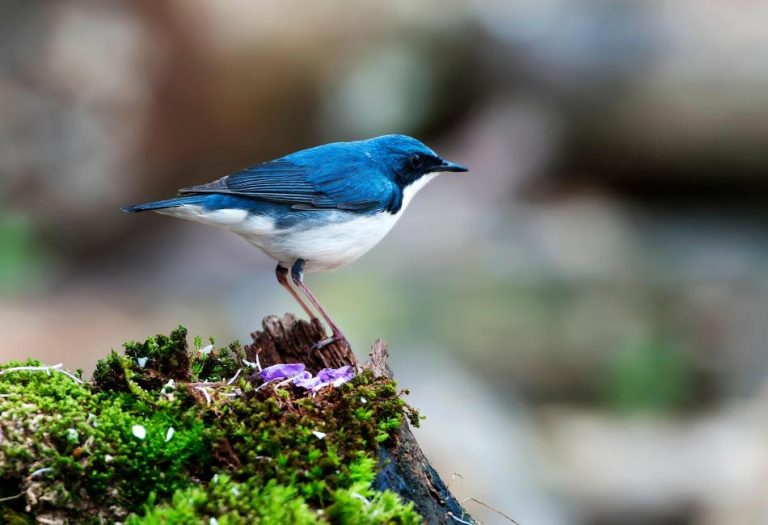
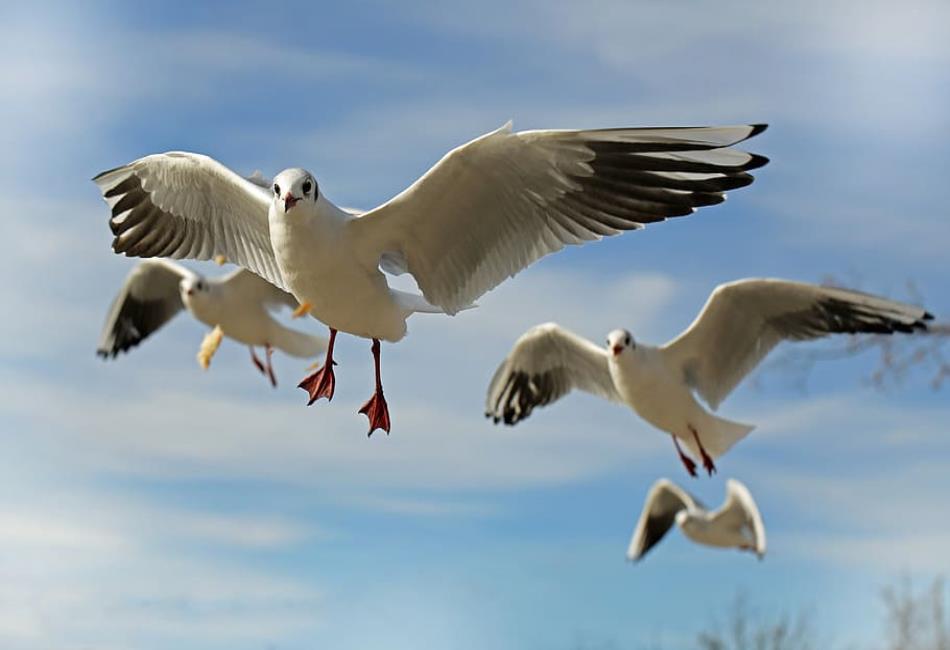
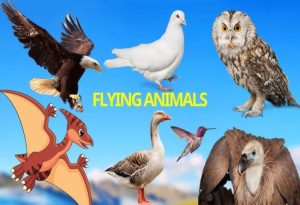
Birds are the most familiar flying animals and are the only group with feathers—a unique adaptation crucial to powered flight. Ranging from the tiny hummingbird to the massive albatross, birds have lightweight, hollow bones and powerful chest muscles that help them take to the air with grace and precision.
2. Insects (Class: Insecta)
Insects were the first animals to achieve flight, appearing over 300 million years ago. Their ability to fly revolutionized their evolution, allowing them to spread across the globe. Examples include butterflies, bees, dragonflies, and beetles. Unlike birds and bats, insect wings are not modified limbs but are unique appendages that evolved separately.
3. Bats (Order: Chiroptera)
Bats are the only mammals capable of sustained flight. Their wings are modified forelimbs with a thin membrane of skin (called a patagium) stretched between elongated fingers. Bats play vital ecological roles, from pollination to insect control.
4. Gliding Animals
While not true flyers, some animals glide through the air as a means of locomotion. These include flying squirrels, flying snakes, and gliding lizards (like the Draco genus). Although they don’t flap wings, their adaptations allow them to travel significant distances between trees or cliffs.
5. Extinct Flying Reptiles
Pterosaurs, which lived during the age of the dinosaurs, were the first vertebrates to achieve powered flight. With wings made of a membrane stretching from their elongated fourth finger to their hind limbs, they varied greatly in size and structure.
The Mechanics of Flight
Flight involves four fundamental aerodynamic forces:
- Lift: The upward force that counters gravity, generated by the shape and motion of the wings.
- Thrust: The forward force that propels the animal, generated by wing flapping or, in insects, rapid wing beats.
- Drag: The resistance that slows the animal down, which must be minimized for efficient flight.
- Weight: The force of gravity pulling the animal downward.
Different flying animals achieve flight through varied mechanics:
- Birds have streamlined bodies, feathers for lift, and strong pectoral muscles.
- Insects can beat their wings extremely fast, often up to hundreds of times per second.
- Bats use echolocation for navigation and have exceptional control over their wing shape and movement.
Evolutionary Significance
Flight offers many evolutionary advantages:
- Escape from predators: Aerial mobility allows animals to flee from danger quickly.
- Access to new habitats: Flying animals can reach isolated areas such as islands and mountain tops.
- Efficient foraging: Flight makes it easier to locate food over large areas.
- Migration: Birds, in particular, use flight to travel thousands of miles to exploit seasonal resources.
However, flight also requires significant energy and anatomical specialization. The evolution of flight led to lighter skeletons, modified respiratory systems, and highly developed sensory organs in many species.
Notable Flying Animals
1. Peregrine Falcon
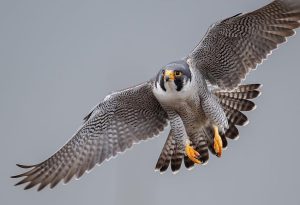
The peregrine falcon is the fastest bird in the world, capable of reaching speeds over 240 mph (386 km/h) during its hunting stoop (high-speed dive). It uses its keen eyesight and streamlined body to catch prey mid-air.
2. Monarch Butterfly
Monarch butterflies are famous for their long-distance migrations across North America. Despite their delicate appearance, they can travel over 3,000 miles during their annual migration.
3. Bumblebee Bat
One of the smallest mammals in the world, the bumblebee bat (Craseonycteris thonglongyai) weighs less than a penny. Native to Thailand and Myanmar, it uses echolocation to navigate and find insects.
4. Hummingbird
Hummingbirds are the only birds capable of hovering in place and even flying backward. Their wings beat up to 80 times per second, enabling them to feed on nectar with incredible precision.
5. Flying Dragon (Draco lizard)
This Southeast Asian lizard has elongated ribs with skin flaps that allow it to glide between trees. Although not a true flyer, its gliding ability is impressive and helps it escape predators and search for food.
6. Fruit Bat (Flying Fox)
With wingspans that can exceed 5 feet (1.5 meters), flying foxes are the largest bats. Unlike many bats, they rely on sight rather than echolocation and play a vital role in seed dispersal.
Conservation and Threats
Many flying animals face significant threats from human activities:
- Habitat Loss: Deforestation and urban expansion reduce nesting and foraging areas.
- Climate Change: Disrupts migration patterns and food availability.
- Pollution: Pesticides and pollutants can harm insect populations, impacting food chains.
- Light Pollution: Interferes with nocturnal flyers like moths and bats.
- Wind Turbines and Glass Buildings: Pose physical hazards for birds and bats.
Conservation efforts include creating wildlife corridors, protecting critical habitats, and using bird-safe architectural designs.
Fascinating Facts About Flying Animals
- A dragonfly’s two pairs of wings can move independently, allowing exceptional control and maneuverability.
- Some spiders use a method called “ballooning,” releasing silk threads to catch wind currents and travel long distances.
- The wandering albatross has the longest wingspan of any living bird—up to 12 feet (3.6 meters)—allowing it to glide over oceans for hours without flapping.
- The common swift can stay aloft for months at a time, eating, mating, and sleeping in flight.
Conclusion
Flying animals represent some of the most extraordinary adaptations in the animal kingdom. From the buzzing of a bee to the graceful soar of an eagle, flight allows creatures to explore a third dimension in their environment. Their diverse forms, behaviors, and ecological roles continue to inspire scientists, engineers, and nature lovers alike.
FAQ: Masters of the Sky: A Deep Dive into Flying Animals and Their Fascinating Adaptations
Q1: What are flying animals?
Flying animals are creatures capable of flight or gliding through the air. This includes birds, bats, insects, and certain reptiles and mammals that glide, such as flying squirrels and Draco lizards.
Q2: Which animals are true flyers and which are gliders?
True flyers like birds, bats, and insects generate lift through wing flapping, while gliders like flying squirrels and snakes use extended skin flaps to travel through the air without flapping.
Q3: How did flight evolve in animals?
Flight evolved independently in different groups—most notably in insects, birds, and bats—through millions of years of natural selection favoring anatomical features like wings, lightweight bones, and efficient respiration.
Q4: What adaptations help animals fly?
Key adaptations include wings, hollow or lightweight bones, strong chest muscles, specialized feathers or membranes, and highly efficient respiratory systems.
Q5: What is the fastest flying animal?
The peregrine falcon holds the record, diving at speeds over 240 mph (386 km/h) during a hunting stoop.
Q6: Why is flight important in evolution?
Flight provides advantages like escaping predators, exploring new habitats, easier access to food, and long-distance migration, which help species survive and diversify.
Q7: Are flying animals endangered?
Many flying animals face threats like habitat loss, climate change, and pollution. Conservation efforts are crucial to protect species such as bats, birds, and pollinating insects.
Q8: Who Are the Flying Animals?
Flying animals are diverse species that have developed the ability to move through the air, either by powered flight or gliding. They include:
-
Birds, like eagles, parrots, and swallows, which use feathers and wing flapping to fly.
-
Insects, such as bees, butterflies, and dragonflies, which were the first creatures to evolve flight.
-
Bats, the only mammals capable of sustained flight, using skin-covered wings.
-
Gliders, like flying squirrels and flying lizards, which don’t flap but can glide through the air using extended skin flaps.
-
Extinct fliers, like pterosaurs, which were flying reptiles from the age of dinosaurs.
These animals have evolved unique adaptations that allow them to take to the skies for hunting, migration, mating, and survival.
Q9: What Is Another Name for Flying Animals?
Another name for flying animals is aerial animals. This term refers to animals that spend a significant portion of their life in the air, using flight or gliding as their primary means of movement. Birds, bats, insects, and gliding mammals all fall under this category. “Aerial fauna” is also used in scientific contexts to describe these creatures.
Q10: What Animal Has the Best Flight?
The peregrine falcon is often considered to have the best flight among animals due to its unmatched speed and aerial control. It can dive at speeds over 240 mph (386 km/h), making it the fastest animal on Earth. For maneuverability, hummingbirds are exceptional—they can hover, fly backward, and change direction with incredible precision. Among insects, the dragonfly is a top flier, capable of agile, acrobatic movements thanks to its independently moving wings. Each of these animals showcases different aspects of superior flight ability.