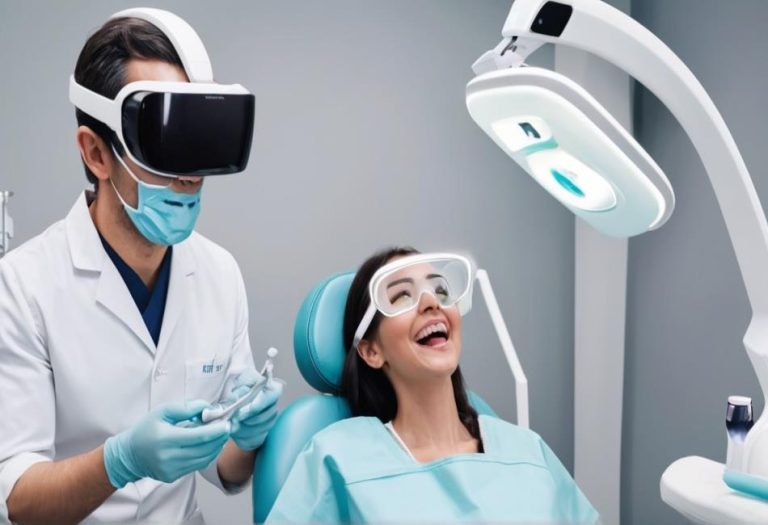

Modern Dental Benefits: Creating Smile-Friendly Workplaces
Table of Contents
- Introduction to Dental Benefits
- Why Employers Invest in Dental Plans
- Different Types of Dental Benefits
- How Dental Plans Impact Employee Productivity
- The Economic Advantages of Dental Benefits
- Key Features of Top Dental Plans
- Real-Life Examples of Successful Dental Plans
- Looking Forward: The Future of Dental Benefits
Introduction to Dental Benefits
In today’s competitive job market, providing comprehensive dental benefits has evolved from a desirable perk to a fundamental necessity. Dental plans enhance employee well-being and reinforce an employer’s commitment to their team’s health. Considering reputable options from https://www1.deltadentalins.com/employers.html, businesses recognize how these plans can seamlessly integrate into broader wellness strategies without veering into promotional territory. As awareness grows about the significance of oral health, offering dental benefits is a critical step in cultivating a caring workplace culture.
Dental well-being is closely linked to general physical health. Poor dental hygiene is related not only to common dental issues but also to significant health problems such as cardiovascular disease and diabetes. By investing in quality dental plans, employers empower employees to maintain their health proactively, potentially reducing long-term healthcare costs and promoting a healthier workforce overall.
Why Employers Invest in Dental Plans
A multitude of factors drives the strategic decision to offer dental plans. Employers value these benefits for their ability to attract and retain a diverse workforce. Comprehensive benefits packages, particularly those including dental plans, strongly attract the younger generation of talent. This demographic places significant value on health-related benefits, influencing their employment decisions. As businesses strive to position themselves as employers of choice, robust dental benefits can significantly enhance appeal.
Furthermore, offering dental plans communicates a message of care and consideration for employees’ holistic health needs. Employees are more likely to value and stay with a company that prioritizes their health, creating a ripple effect on job satisfaction and loyalty, and reducing turnover rates.
Different Types of Dental Benefits
Dental benefits are diverse, addressing many dental and orthodontic needs. Basic plans typically cover preventive services like cleanings and exams, vital for maintaining oral health. More comprehensive offerings include coverage for crowns, bridges, and dentures, which are critical for addressing serious dental health issues.
Among the plan types available, Preferred Provider Organization (PPO) plans are favored for their flexibility, allowing employees to choose their providers freely, albeit often at a higher cost. Health Maintenance Organization (HMO) plans, on the other hand, may limit choice of providers but frequently offer lower premiums. Fee-for-Service plans provide the most incredible freedom of choice, although usually with higher out-of-pocket expenses, catering to employees who prefer broad access to dental care.
How Dental Plans Impact Employee Productivity
A little-known fact about oral health is its profound impact on workplace productivity. Employees suffering from dental problems tend to be distracted, less focused, and more likely to take time off due to dental emergencies. Regular dental visits mitigate these issues and ensure employees remain healthy and productive.
Recent studies suggest a direct correlation between consistent dental care and enhanced work performance—employees who actively manage their oral health report fewer health-related productivity losses. By reducing the incidence of dental issues, employers can keep their teams more engaged and reduce downtime associated with oral health-related absences.
The Economic Advantages of Dental Benefits
Offering dental benefits makes sound business sense from an economic perspective. Companies that foster a healthy work environment see a significant return on investment. As employees receive regular and preventive dental care, costs associated with absenteeism and medical issues can decrease. The Forbes Business Council highlights the efficiency gains and cost savings related to comprehensive employee health initiatives, which include dental plans.
Incorporating dental benefits can lead to tangible financial benefits, such as reduced health insurance premiums and fewer costly dental emergencies. This investment in employee health ultimately translates into a more stable, satisfied, and loyal workforce, underscoring the value proposition of offering comprehensive benefits packages.
Key Features of Top Dental Plans
Choosing the right dental plan involves looking for certain exemplary features. These include extensive coverage, which should cover routine and complex dental needs, and a broad network of providers, ensuring employees have ample choice without excessive out-of-pocket costs. Simplicity and ease of use in claims processing are also critical; employees value plans that do not add unnecessary hassle to their healthcare experience.
Additionally, exemplary dental plans often feature preventive care incentives, promoting regular dental visits that preclude more significant health issues. By prioritizing these features, employers can ensure their dental benefits add value to their workforce’s lives.
Real-Life Examples of Successful Dental Plans
Numerous companies have realized substantial benefits by adopting comprehensive dental plans. For example, a tech giant in Silicon Valley implemented an inclusive dental benefits package and reported notable increases in employee morale and retention rates. The ease of accessing high-quality dental care contributed to this success, demonstrating how such benefits extend beyond oral health, underpinning satisfaction and productivity. These real-world instances spotlight how dental plans can be integral to achieving broader business objectives, fostering environments where employees thrive and are committed to their employers’ success.
Looking Forward: The Future of Dental Benefits
The future of dental benefits is poised for technological integration and increased personalization. Telehealth innovations are expected to revolutionize how employees access dental care, offering convenience and efficiency. Personalized dental care programs, utilizing data analytics for predictive modeling, could become standard, tailoring care to individual needs and improving outcomes. As employers look to the future, embracing these emerging trends will ensure that their dental benefits remain relevant and valuable, continually adapting to the evolving landscape of employee healthcare needs. Organizations can support a healthier, more resilient workforce by focusing on innovation and employee wellness. Ultimately, dental benefits are a cornerstone in creating supportive, health-oriented workplaces. By understanding and leveraging future trends, employers can continue to safeguard their employees’ health while promoting a vibrant, engaged work environment.