
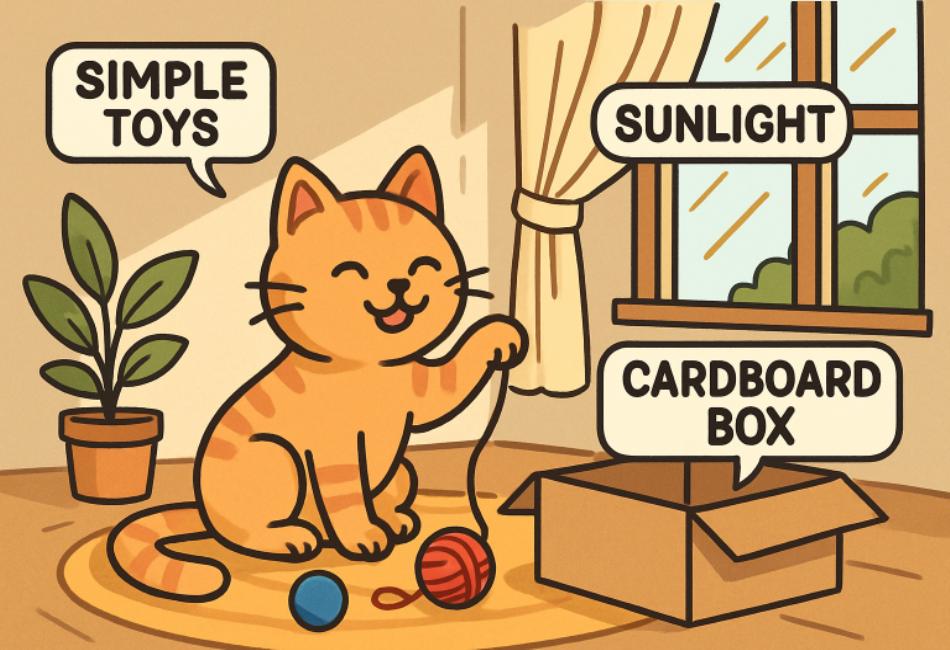
Creative Cat Care Ideas for a Happy and Enriched Home
Table of Contents
- Everyday Enrichment Activities for Indoor Cats
- DIY Cat Toy Projects for All Ages
- Feeding Games to Stimulate Your Cat’s Mind
- Designing Safe Spaces and Hiding Spots
- Balancing Social Interaction with Solitude
- How to Encourage Healthy Playtime Habits
- Expert Opinions: What Vets Recommend for Enrichment
Everyday Enrichment Activities for Indoor Cats
Cats are naturally curious and need mental stimulation indoors for their health and well-being. Regularly introducing new activities can reduce boredom and destructive behavior. Rotating interactive toys, inviting window-watching adventures, and providing safe boxes and tunnels can make every day different and delightful. Engaging content like 10 Easy Enrichment Ideas for Indoor Cats highlights creative enrichment in action, which you can explore further on Curiosity Stream Facebook through their fascinating documentaries. Small changes in your cat’s environment, such as scent trails and perch placements, can have a big impact. Observing your cat’s responses helps identify the most engaging activities.
DIY Cat Toy Projects for All Ages
Homemade toys provide cost savings and allow for personalized play for cats of all ages and preferences. Projects like felt mice, cardboard mazes, and feather wands can be made from safe materials, allowing for hours of stimulation. These toys can be as simple or elaborate as desired, focusing on your cat’s prey drive and natural skills. Repurposing everyday items is also environmentally friendly, and the Humane Society’s enrichment guide is a reliable resource for guidance and safe crafting inspiration.
Feeding Games to Stimulate Your Cat’s Mind
Making meal times more challenging and mentally stimulating can help indoor cats maintain a healthy weight, slow down rapid eaters, and prevent boredom. Puzzle feeders, treat balls, and hidden food stations stimulate hunting instincts, while scattering kibble or hiding treats in safe spots can also help. Rotating meal locations or trying innovative ideas from feline enrichment communities can keep older cats sharp and encourage movement, which are crucial for indoor felines.
Designing Safe Spaces and Hiding Spots
Cats thrive in safe, private areas, so make your home more cat-friendly by providing hideaways like blanket forts, cat caves, or enclosed shelves. Elevated perches or window hammocks allow your pet to observe birds and squirrels. Creating multiple safe havens reduces stress, especially in busy households. These retreats are especially beneficial for skittish, elderly, or rescue cats. A balance of accessible and hidden spaces makes your home a feline sanctuary.
Balancing Social Interaction with Solitude
Finding the right balance between playtime and peaceful solitude is essential for every cat’s happiness. Some cats thrive on daily interactive sessions with their humans or other pets, while others are more independent. Watch for cues: a twitching tail, flattened ears, or retreating can signal the need for alone time.
By respecting your cat’s boundaries and scheduling regular play sessions, you foster trust and strengthen your bond. Remember, it’s better to let your cat initiate interactions rather than forcing attention or play. Patience and understanding go a long way in encouraging a well-adjusted and content pet.
How to Encourage Healthy Playtime Habits
Active play helps cats maintain a healthy weight, reduces anxiety, and strengthens the connection between you and your feline. Experts recommend several short, diverse play sessions daily, using a variety of toys to prevent boredom. Cat wands, chase balls, and crinkly tunnels are some favorites that can keep cats engaged.
Always store toys after play to maintain novelty. According to advice from ASPCA behaviorists, swapping out toys weekly and introducing new scents or textures can reignite interest. Remember, supervised play with interactive toys also keeps your cat safe from choking hazards.
Expert Opinions: What Vets Recommend for Enrichment
- Switch up toys and games every week to hold your cat’s attention and prevent boredom.
- Provide a variety of scratching posts and climbing structures to satisfy natural climbing instincts.
- Schedule regular veterinary visits to ensure that any new enrichment activities are suitable and to address changing health needs.
Veterinarians stress that enrichment is about more than just play—it’s crucial for emotional well-being and reducing anxiety-related behaviors. A proactive approach to mental stimulation results in happier, healthier cats and a more harmonious home.