
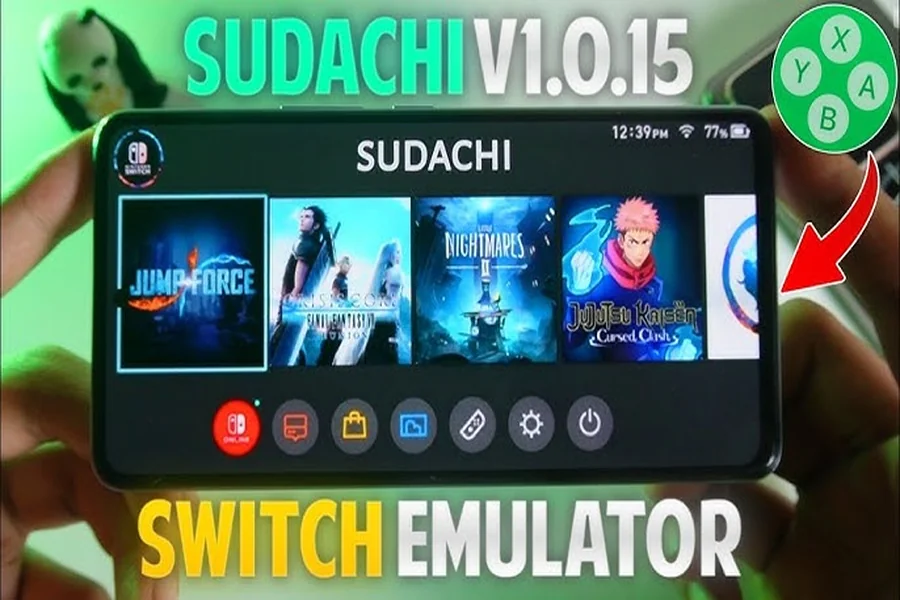
Top 10 Must Have Mods for Sudachi Emulator in 2026
You want Sudachi to run better, look cleaner, and feel more like a polished console experience. For official builds, updates, and mod compatibility notes, check sudachiemu.org. This list gives ten must-have mods that upgrade the interface, sharpen graphics, fix compatibility quirks, and tune gameplay so you spend less time tweaking and more time playing. Install these mods and you’ll get clearer visuals, smoother performance, and crisper controls without hunting through dozens of unrelated add-ons.
You’ll find UI overhauls that simplify menus, texture and shader packs that improve image quality, performance patches that reduce stutters, and gameplay tweaks that restore balance or add quality-of-life features. Each entry includes what it changes, why it matters, and quick install tips so you can apply the best ones fast and safely.
Key Takeaways
- Pick mods that improve visuals and clean up the interface for a better experience.
- Use performance and compatibility patches to reduce stutter and crashes.
- Add gameplay and UI tweaks to streamline play and restore useful features.
Enhancing Visual Experience
These mods change how games and the emulator look. They focus on sharper graphics, clearer menus, and easy theme control so you can pick visuals that match your display and taste.
UI Overhaul Packs
UI overhaul packs replace Sudachi’s default menus, HUD elements, and overlays with cleaner, scalable designs. Install packs that keep text legible at 4K and 1440p by using vector or high-DPI assets. Look for packs that separate layout and artwork so you can mix a compact layout with a high-contrast skin.
Pay attention to these features:
- Font scaling: ensures readable UI on large screens.
- Controller icons: match button prompts to your controller type.
- Toggleable elements: hide FPS, logs, or tips when you don’t need them.
Install steps are usually simple: drop the pack into Sudachi’s themes or UI folder, then enable it in Settings → Interface. If a pack breaks layout, revert to defaults and check a README for compatibility notes.
High-Resolution Texture Improvements
High-resolution texture mods replace low-res textures with sharper versions for specific games. Choose texture packs that list VRAM requirements and supported game versions. Prioritize packs that offer optional LOD (level-of-detail) settings to avoid stuttering on mid-range GPUs.
When installing:
- Use a per-game folder structure inside Sudachi’s mod directory.
- Enable texture cache or async shader options to reduce hitches.
- Monitor VRAM usage; reduce texture size or use streaming options if you hit limits.
Prefer packs that include comparison images and checksum-verified files. This helps confirm compatibility and prevents corruption. Also check for community patches that fix lighting or mipmap issues.
Custom Theme Support
Custom theme support gives you a quick way to switch overall looks across Sudachi without changing game files. Themes commonly change the launcher background, window chrome, color accents, and sound cues. Pick themes that keep contrast high and avoid low-contrast color combos that hurt readability.
Important tips:
- Use a theme manager or the built-in theme selector to preview before applying.
- Keep a “safe” default theme saved in case a custom one causes layout errors.
- Look for themes that include dark and light variants to match ambient lighting.
Themes often come with an install guide. Follow file naming rules and restart Sudachi after applying a new theme to ensure all assets load correctly.
Optimizing Performance and Compatibility
You need stable frame pacing, accurate rendering, and minimal stutter across different hardware. Focus on which rendering plugin fits your GPU and use a dynamic frame limiter to match game timing and screen refresh.
Advanced Rendering Plugins
Choose a plugin that matches your GPU architecture and driver support. On Intel/AMD integrated chips, use the Vulkan backend for lower CPU overhead. On NVIDIA, test both Vulkan and OpenGL; some games render correctly only on one.
Adjust these settings per game:
- Resolution scale: 100–150% for balance. Higher scales need more VRAM.
- Anisotropic filtering: 4x or 8x for texture clarity without big cost.
- Shader cache: Enable persistent cache to reduce shader stutter on first run.
If you see graphical glitches, toggle features one at a time: MSAA, HDR emulation, and GPU buffer cache. Keep driver and Sudachi builds current; plugin bugs are often fixed in updates. Use the emulator’s compatibility list to apply known good plugin presets for specific titles.
Dynamic Frame Rate Adjusters
Match the emulator’s output to your display and CPU budget. Use a dynamic frame limiter that switches between 30, 60, and variable rates based on scene complexity. This reduces input lag and avoids large frame drops.
Key options to configure:
- VSync mode: Off for lowest latency, Adaptive for tear-free fallback.
- Frame skip threshold: Set to 2–3 frames to avoid microstutters while preserving sync.
- Threaded frame limiter: Enable if your device has 4+ cores to separate timing from rendering.
Measure using the emulator’s FPS counter and a controller test app. If you see consistent dips, lower internal resolution or enable frame pacing options in Sudachi. Apply per-game profiles so intensive titles use relaxed settings while simpler games run at higher quality.
Deepening Gameplay Customization
These mods let you change how you play. You can remap complex inputs, tweak difficulty or mechanics, and manage save states for fast testing and safe experimentation.
Control Mapping Extensions
You can map individual Switch inputs to keyboard keys, mouse actions, or advanced gamepad combos. Look for mods that support multiple layers, so a single physical button can send different inputs depending on mode. Prioritize ones that let you save and load profiles per game.
Advanced features include turbo, macro recording, and analog deadzone tuning. Turbo helps rapid-fire actions without holding buttons. Macros let you chain moves into one press. Deadzone tuning prevents drift on older controllers and improves precision.
Make sure the mod shows input overlays on-screen while you play. This helps when testing combos or sharing configurations. Also check for Steam Input and XInput compatibility so your profiles work across devices.
Gameplay Balance Tweaks
You should pick balance mods that target specific systems: enemy HP scaling, XP curves, item drop rates, and boss AI behavior. Good mods describe exactly which values they change and include a changelog. Avoid mods that alter many unrelated systems at once.
Use modular packs that let you enable individual tweaks. That way you can change enemy toughness without affecting loot or progression speed. Mods that add toggles for “hard mode” or “casual mode” give you quick control over challenge level.
Check community notes for compatibility with patch versions and other mods. Mods that include save migration tools or warn about irreversible changes reduce the risk of corrupting playthroughs. Test balance tweaks in a separate save slot first.
Save State Utilities
Save state mods must offer fast hotkeys, timestamped slots, and automatic backups. Hotkeys let you save or load in seconds during trials or difficult encounters. Timestamped slots help you find the exact moment you want to return to.
Look for compression and versioning features so older save states stay readable after emulator updates. Auto-backup options protect you from accidental overwrites or corrupted files. Some utilities also show metadata like game region, emulator build, and active mods.
Integrations with cloud folders or simple export/import functions let you move states between machines. That’s useful for testing changes on different setups or sharing tricky segments with friends.
Streamlining User Interaction
You can speed up gameplay tweaks, cheats, and controls without hunting through menus. Focus on tools that put functions at your fingertips and let you toggle or edit settings while a game runs.
Integrated Cheat Managers
A good cheat manager ties directly into Sudachi’s memory tools so you can apply codes safely. Look for managers that support import/export of common formats, live search of memory addresses, and built‑in versioning so you can revert changes if a cheat breaks a save.
Use a manager that shows clear labels: cheat name, source, effect, and activation hotkey. Prefer ones that let you enable cheats per‑game and save cheat profiles. That avoids enabling a trainer across unrelated titles.
Safety features matter. Choose mods that offer read‑only previews, conflict warnings when two cheats touch the same address, and an easy undo. These features reduce the chance of corrupting game data during testing.
Quick Access Overlays
Quick access overlays place key controls in an always‑visible panel over your game. Typical overlays include FPS, GPU/CPU load, save/load state buttons, and audio volume. Pick overlays that let you customize which widgets appear and where they sit on screen.
Binding overlay buttons to controller inputs saves time. You should be able to map quick slots for screenshots, toggling widescreen, or switching shader presets without pausing. Look for overlays that support multiple profiles so your layout changes per game.
Performance is important. Use overlays that draw minimally and let you set a refresh rate or disable expensive widgets. That keeps your framerate steady while giving you instant control over common emulator functions.
Security, Stability, and Updates
Keep mods current, verify their sources, and use tools that minimize crashes and data loss. Focus on signed or well-documented packages and automated methods that do safe rollbacks if an update breaks your setup.
Auto-Update Modules
Use an auto-update module that checks official release channels and verified mod repositories. Configure it to:
- Check for updates on a schedule (daily or weekly).
- Verify checksums or digital signatures before installing.
- Download to a quarantine folder first, not directly into your active mod directory.
Enable automatic backups of the mod folder before applying updates. That way you can restore a working state within seconds if an update corrupts files or changes settings you rely on. Limit auto-updates to non-breaking changes by skipping major-version bumps unless you approve them. Log update activity to a file so you can trace when a specific change caused a problem.
Crash Recovery Tools
Install a crash recovery tool that captures game state and emulator logs when Sudachi crashes. Key features to look for:
- Periodic save-state snapshots without overwriting your manual saves.
- Automatic upload of crash dumps and relevant logs to a local folder or a private cloud for analysis.
- A simple restore UI that lists snapshots by timestamp and game.
Set snapshots to occur at safe points (menu screens or pauses) to avoid corrupting save files. Keep enough snapshots to cover recent sessions but limit storage use with automatic pruning. Use the crash logs to identify faulty mods by comparing last-loaded mods against the crash time; this lets you disable the offending mod quickly and roll back to a stable snapshot.


