
A Bird’s-Eye View of Gozo’s Culinary Delights: An Insider’s Food Guide
Discovering Gozo Through Its Flavors
Gozo, Malta’s serene sister island, is not just a haven for nature lovers and birdwatchers—it is also a culinary gem waiting to be explored. From artisanal cheeses to fresh seafood, the island offers a range of flavors that reflect both tradition and local ingenuity. Understanding Gozo’s food scene provides a richer travel experience, connecting visitors to its culture and heritage through every bite.
For travelers interested in pairing gastronomy with exploration, planning ahead ensures a seamless journey. With the islands’ compact size, it is easy to navigate between markets, restaurants, and scenic spots while enjoying the local cuisine.
Planning Your Culinary Journey
Before diving into Gozo’s food offerings, it is helpful to organize your trip for efficiency and enjoyment. For example, checking transport options and schedules allows visitors to move between Malta and Gozo without stress. Many travelers opt to book Gozo fast ferry tickets in advance, ensuring timely access to the island and more flexibility in sampling different culinary locations throughout the day.
Once on the island, a well-planned itinerary lets you experience both bustling markets and quiet traditional eateries. Pairing visits to local producers with dining at recommended restaurants maximizes exposure to authentic flavors.
Must-Try Gozo Delicacies
Gozo’s cuisine is rich in local products that have been crafted and cherished for generations. For bird enthusiasts and culinary travelers alike, sampling these items offers insight into the island’s agricultural and coastal heritage.
Signature Ingredients:
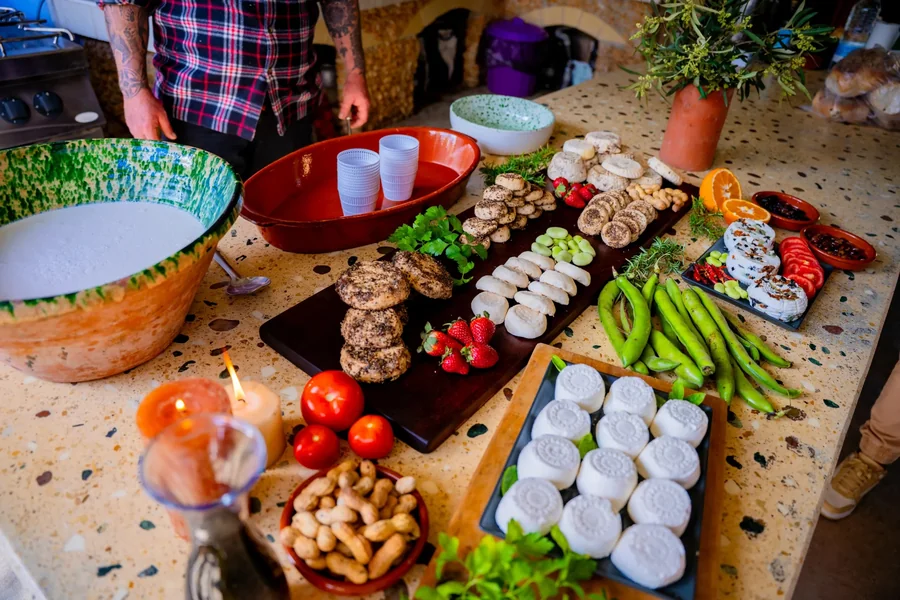
- Gbejniet (Gozo Cheeselets): Small round cheeses made from sheep or goat milk, often enjoyed fresh, peppered, or dried.
- Ftira: Traditional Maltese flatbread, perfect for sandwiches or accompanying spreads.
- Honey and Local Preserves: Produced from Gozo’s wildflowers, adding natural sweetness to desserts or breakfast dishes.
- Seafood: Fresh catches like lampuki and octopus feature prominently in many island recipes.
Sampling these items at markets and local shops provides a firsthand look at the island’s culinary artistry.
Recommended Restaurants and Eateries
Gozo’s dining scene ranges from casual cafes to fine dining experiences, each offering a unique interpretation of traditional Maltese cuisine.
Notable Spots:
- Ta’ Rikardu (Victoria): Known for traditional Gozitan dishes and hearty portions.
- Mgarr ix-Xini Restaurant: Offers fresh seafood with scenic views over the cove.
- Ta’ Frenc (Xaghra): Fine dining with a focus on local ingredients and innovative presentations.
- Local Markets: Victoria Market and Nadur Market are excellent for tasting cheeses, breads, and seasonal produce.
Tips for Dining:
- Make reservations during peak tourist seasons.
- Try daily specials that showcase seasonal ingredients.
- Engage with local staff to learn about the cultural significance of certain dishes.
Combining Culinary Exploration with Birdwatching
Bird enthusiasts visiting Gozo can integrate food stops with nature excursions. The island’s wetlands, cliffs, and countryside provide excellent opportunities for spotting migratory and resident bird species. Planning visits to these areas around meal times allows for a balanced day of wildlife observation and culinary enjoyment.
Suggested Routine:
- Morning: Visit a wetland or cliffside area for birdwatching.
- Midday: Stop at a market or cafe for a sampling of gbejniet or ftira.
- Afternoon: Explore coastal restaurants for fresh seafood while enjoying scenic views.
This approach ensures travelers experience both Gozo’s natural beauty and its rich culinary offerings without rushing.
Understanding the Cultural Significance
Gozo’s traditional cuisine reflects centuries of agricultural practices, coastal livelihoods, and local customs. Foods such as gbejniet and ftira are not only staples but also carry historical and social meaning, often served during festivals, family gatherings, and religious celebrations. Honey, made from local flora, is an example of how nature directly influences the island’s food culture.
By appreciating these connections, visitors gain a deeper understanding of how culinary traditions are intertwined with the island’s lifestyle, economy, and heritage.
Comparative Overview of Culinary Experiences
| Dish / Product | Best Location | Notes |
| Gbejniet (Cheeselets) | Local markets, Ta’ Rikardu | Try fresh or peppered versions |
| Ftira | Artisan bakeries | Perfect for sandwiches or breakfast |
| Seafood | Mgarr ix-Xini, local taverns | Freshly caught daily |
| Honey & Preserves | Farmers’ markets | Excellent for gifts or breakfast |
This overview helps visitors prioritize dishes and locations based on their preferences and itinerary.
Tips for a Seamless Culinary Visit
- Plan ahead: Check opening hours and ferry schedules.
- Combine activities: Pair market visits with nearby birdwatching spots.
- Engage locally: Ask vendors or chefs about traditional preparation methods.
- Document your experience: Take photos or notes to remember the unique flavors and settings.
With thoughtful planning and curiosity, exploring Gozo’s food scene becomes a multidimensional experience—combining taste, culture, and nature for a truly enriching visit.


