The Enchanting World of Pink Birds: Nature’s Most Striking Avian Wonders
Birds are nature’s artwork in motion, flaunting a spectrum of colors that fascinate scientists, birdwatchers, and nature lovers alike. Among these colorful wonders, pink birds hold a particularly enchanting appeal. Their delicate hues and unique behaviors have long made them subjects of admiration and study. In this article, we’ll explore the most famous pink bird species, their habitats, behaviors, significance in culture, and the science behind their stunning coloration.
Understanding the Color: Why Are Some Birds Pink?
The pink coloration in birds is primarily due to the presence of carotenoids—pigments found in certain foods. Birds that appear pink usually consume a diet rich in carotenoid-filled sources like shrimp, algae, and other crustaceans. These pigments get metabolized and deposited into the birds’ feathers, resulting in vibrant shades of pink.
Interestingly, the intensity of the pink color can vary based on diet and health. For example, flamingos become duller if they lack carotenoids in their diet. This relationship between nutrition and appearance often plays a crucial role in mating, as brighter colors signal vitality and better genes.
Most Famous Pink Birds Around the World
1. Flamingos
Scientific Family: Phoenicopteridae
Habitat: Wetlands, lagoons, and lakes across Africa, the Americas, and parts of Europe and Asia.
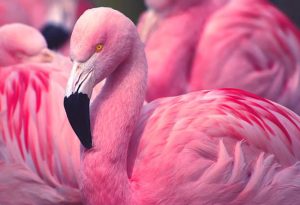
Flamingos are the most iconic pink birds. Known for their long legs, S-shaped necks, and communal living, flamingos derive their pink coloration from a diet of brine shrimp and blue-green algae. There are six species of flamingos, including the American Flamingo and the Greater Flamingo. They are also known for unique behaviors like synchronized dancing and filter-feeding with their heads upside down.
Flamingos symbolize beauty, balance, and grace in many cultures and are frequently used in art and fashion motifs.
2. Roseate Spoonbill
Scientific Name: Platalea ajaja
Habitat: Marshes and coastal areas in South and Central America, and the southeastern United States.
The Roseate Spoonbill is another majestic pink bird, easily recognized by its long, spoon-shaped bill. This species uses its bill to sift through muddy waters for small fish, crustaceans, and insects. Their feathers range from pale pink to bright magenta, especially during breeding season when colors become more intense.
Often mistaken for flamingos, spoonbills are unique in both feeding techniques and appearance, with their bills playing a major role in foraging by feel rather than sight.
3. Galah (Rose-Breasted Cockatoo)
Scientific Name: Eolophus roseicapilla
Habitat: Australian grasslands, open woodlands, and urban areas.
Native to Australia, the Galah is a small pink and grey cockatoo known for its intelligence and playful nature. Unlike flamingos, the Galah’s pink feathers are a natural coloration rather than diet-based. They form lifelong pair bonds and are often seen in large, noisy flocks.
Highly social and intelligent, Galahs are popular as pets and are featured in Aboriginal stories and Australian folklore.
4. Major Mitchell’s Cockatoo
Scientific Name: Lophochroa leadbeateri
Habitat: Arid and semi-arid inland areas of Australia.
Also known as the Pink Cockatoo, this bird boasts a soft pink body with a striking red and yellow crest. Unlike the Galah, Major Mitchell’s Cockatoo is less social and prefers nesting in hollows of eucalyptus trees.
Due to habitat destruction, their population has declined in certain regions, making conservation efforts increasingly important.
5. Pink Robin
Scientific Name: Petroica rodinogaster
Habitat: Temperate rainforests of southeastern Australia and Tasmania.
Though not entirely pink, the male Pink Robin has a distinctive rosy-pink chest that makes it a visual treat in the dense forest undergrowth. Unlike flamboyant flamingos, this bird is shy and elusive, making sightings rare and exciting for birdwatchers.
The Pink Robin’s contrasting dark grey upper parts and pink lower chest offer a splash of color in otherwise shaded forest environments.
The Cultural Significance of Pink Birds
Pink birds, especially flamingos, have transcended their natural habitats to become cultural icons. From lawn ornaments in American suburbia to luxury fashion runways, flamingos are a symbol of whimsy, elegance, and tropical leisure.
In some cultures, birds like the Roseate Spoonbill are associated with love and emotional healing due to their pink coloration—commonly linked to the heart chakra in spiritual traditions.
Moreover, Indigenous Australian cultures feature cockatoos, including Galahs, in their dreamtime stories and totems, signifying communication, companionship, and protection.
Conservation and Threats
Despite their popularity, many pink bird species face threats from habitat destruction, climate change, and pollution.
-
Wetland Drainage: Species like flamingos and spoonbills are dependent on wetlands that are often drained for agriculture or urban development.
-
Illegal Pet Trade: Cockatoos, particularly the striking Major Mitchell’s Cockatoo, are often targeted for the pet trade.
-
Pollution: Contaminated water sources can reduce carotenoid-producing organisms, affecting the birds’ diets and, subsequently, their coloration and health.
Conservation efforts include habitat protection, breeding programs, and awareness campaigns to curb illegal trade and preserve natural ecosystems.
How to Spot Pink Birds in the Wild
For those eager to observe pink birds in their natural habitats, here are a few tips:
-
Research Locations: Wetlands for flamingos and spoonbills, Australian outback for cockatoos, and forests for pink robins.
-
Join Birdwatching Tours: Guided tours often provide expert knowledge and access to protected areas.
-
Use Binoculars and Field Guides: These tools help in identifying birds from a distance without disturbing their environment.
-
Respect Wildlife: Keep a safe distance, avoid feeding wild birds, and never disrupt nests or habitats.
Pink Birds in Photography and Art
The elegance and rarity of pink birds make them favorites in wildlife photography and visual arts. From flamingos reflecting in still waters at dawn to close-ups of cockatoos mid-flight, pink birds offer a wide palette for creative expression.
Bird-themed art can be seen in everything from Aboriginal paintings to modern digital illustrations, often symbolizing themes of beauty, love, and freedom.
Conclusion
Pink birds are more than just visual marvels—they are ecological indicators, cultural symbols, and captivating subjects of scientific interest. Whether it’s the elegance of a flamingo, the eccentricity of a Galah, or the charm of a Pink Robin, these avian wonders remind us of nature’s incredible diversity and the importance of preserving it.
By understanding their habitats, appreciating their beauty, and supporting conservation efforts, we can ensure that these pink-hued treasures continue to grace our skies and wetlands for generations to come.
FAQ – The Enchanting World of Pink Birds: Nature’s Most Striking Avian Wonders
Q1: Why are some birds pink?
A: Pink coloration in birds typically comes from carotenoid pigments in their diet, found in foods like shrimp and algae.
Q2: Which is the most well-known pink bird?
A: The flamingo is the most iconic pink bird, famous for its vivid color, long legs, and social behavior.
Q3: Are all pink birds the same species?
A: No, pink birds belong to various species, including flamingos, Roseate Spoonbills, Galahs, and Major Mitchell’s Cockatoos.
Q4: Do all pink birds live in tropical regions?
A: While many do live in warmer climates, species like the Pink Robin thrive in temperate rainforests of southeastern Australia.
Q5: What do pink birds symbolize in culture?
A: Pink birds often symbolize love, beauty, elegance, and emotional healing across different cultures and traditions.
Q6: Are pink birds endangered?
A: Some species face threats from habitat loss and illegal trade, making conservation efforts crucial for their survival.
Q7: Can you keep pink birds as pets?
A: Certain species like the Galah are kept as pets, but others, especially wild ones, are protected and should not be domesticated.
Q8: What is the pink bird called?

![American Crow [Corvus brachyrhynchos] Habitat, Diet, Sound, More](https://birdzpedia.com/wp-content/uploads/2023/12/American-Crow-768x402.png)
![Unique Discoveries of the Flightless Cormorant [Nannopterum Harrisi]](https://birdzpedia.com/wp-content/uploads/2024/01/Flightless-Tocuan-768x402.jpg)