
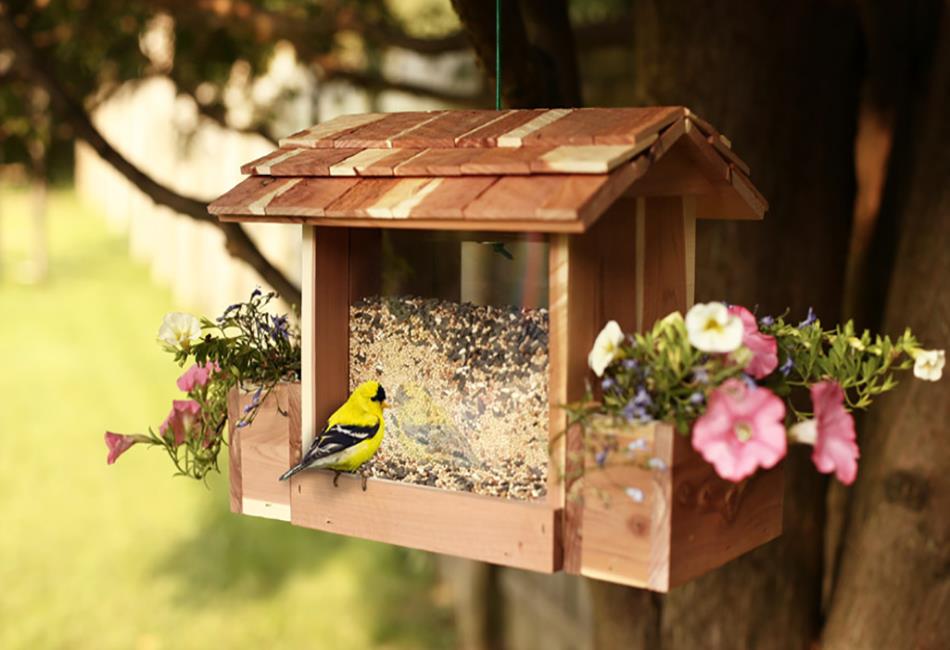
Bird Feeders: Bringing Nature Closer to Home
Bird feeders are a simple yet wonderful way to connect with nature and support local wildlife. Whether you’re a seasoned bird enthusiast or a casual observer, a bird feeder can transform your outdoor space into a hub of activity and beauty. By providing food, bird feeders help attract a variety of species, offering an opportunity to observe their behaviors, listen to their songs, and contribute to their survival.
This article explores the world of bird feeders, including their types, benefits, placement tips, and maintenance, to help you create a welcoming haven for feathered friends.
Why Use Bird Feeders?
Bird feeders play a crucial role in supporting bird populations, particularly in areas where natural food sources may be scarce due to urbanization or seasonal changes. Feeding birds provides numerous benefits:
- Supporting Wildlife: During harsh winters or droughts, bird feeders can supply essential nutrients that birds need to survive.
- Educational Value: Watching birds can be a fascinating and educational experience for adults and children, fostering an appreciation for nature.
- Pest Control: Many birds, such as chickadees and wrens, consume insects, helping to naturally manage garden pests.
- Pollination and Seed Dispersal: Attracting certain species to your yard can aid in pollination and the spreading of seeds, supporting local plant life.
Types of Bird Feeders
The variety of bird feeders available allows you to cater to different species and their dietary preferences. Here are some popular types:
1. Hopper Feeders
- Design: These feeders have a container that dispenses seeds as birds feed from a tray below.
- Best For: Attracting medium-sized birds such as cardinals, blue jays, and sparrows.
- Advantages: They hold a large amount of food and offer protection from the elements.
2. Tube Feeders
- Design: Cylindrical feeders with multiple perches and openings for feeding.
- Best For: Small birds like finches, chickadees, and titmice.
- Advantages: They keep food dry and are less accessible to larger birds and squirrels.
3. Platform Feeders
- Design: Simple, flat trays that can be placed on the ground or elevated.
- Best For: Ground-feeding birds such as doves, juncos, and sparrows.
- Advantages: They accommodate a variety of food types but require frequent cleaning to prevent contamination.
4. Suet Feeders
- Design: Cages or holders designed to offer suet blocks, which are high in fat.
- Best For: Attracting woodpeckers, nuthatches, and other insect-eating birds.
- Advantages: Ideal for winter feeding as suet provides energy-rich food during colder months.
5. Nectar Feeders
- Design: Special feeders designed to hold a sugar-water solution.
- Best For: Hummingbirds, orioles, and other nectar-loving birds.
- Advantages: They allow you to observe these vibrant birds up close, especially during migration seasons.
6. Peanut Feeders
- Design: Mesh or wire feeders that hold unshelled or shelled peanuts.
- Best For: Jays, woodpeckers, and other nut-eating birds.
- Advantages: They attract a variety of species and are durable.
Choosing the Right Food
The type of food you provide will determine which birds visit your feeder. Here’s a guide to popular bird foods:
- Black-Oil Sunflower Seeds: A favorite for many species, including cardinals, finches, and chickadees.
- Nyjer (Thistle) Seeds: Preferred by goldfinches, pine siskins, and other small birds.
- Suet: High in fat, suet attracts woodpeckers, nuthatches, and wrens.
- Peanuts: Popular among jays, woodpeckers, and titmice.
- Millet: A good option for ground-feeding birds like sparrows and juncos.
- Fruit: Oranges, apples, and grapes can attract orioles, tanagers, and robins.
- Nectar: A sugar-water mix (four parts water to one part sugar) is ideal for hummingbirds.
Placement Tips for Bird Feeders
Where you place your bird feeder can significantly impact its effectiveness and the safety of visiting birds. Here are some tips:
- Safety First: Position feeders away from potential predators, such as cats. Avoid placing them too close to bushes or shrubs where predators can hide.
- Visibility: Choose a location where you can easily observe the birds, such as near a window or patio.
- Shelter: Place feeders near trees or shrubs to provide birds with a safe retreat in case of danger.
- Avoid Collisions: To prevent window collisions, place feeders either within three feet of windows or more than 30 feet away.
- Height Matters: Ground feeders should be elevated slightly to reduce the risk of ground predators, while hanging feeders should be secured to prevent swaying in strong winds.
Maintaining Your Bird Feeder
Proper maintenance of bird feeders is essential to keep birds healthy and ensure a steady flow of visitors:
- Regular Cleaning: Clean feeders every two weeks to prevent mold, bacteria, and disease. Use a mixture of soap and water, followed by a diluted bleach solution (1 part bleach to 9 parts water).
- Refill Timely: Check and refill feeders regularly, especially during peak feeding times like early morning.
- Prevent Squirrels: Use squirrel-proof feeders or place baffles to deter them from raiding the feeders.
- Check for Damage: Inspect feeders for wear and tear, replacing any damaged parts to ensure safety.
Seasonal Feeding Tips
Birds’ needs change with the seasons, so adjust your feeding practices accordingly:
- Spring and Summer: Focus on high-energy foods like seeds and nectar to support breeding and migration.
- Fall: Offer foods that help birds build energy reserves for migration, such as peanuts and suet.
- Winter: Provide calorie-rich foods like suet, sunflower seeds, and millet to help birds survive colder temperatures.
Benefits of Bird Feeders
In addition to supporting wildlife, bird feeders offer numerous benefits to homeowners:
- Stress Relief: Watching birds can be calming and reduce stress, making it an excellent activity for mental well-being.
- Aesthetic Appeal: Bird feeders add charm and activity to your garden or backyard.
- Learning Opportunities: Observing bird behavior and species diversity can be an educational experience for all ages.
Conclusion
Bird feeders are more than just a way to attract birds; they are a bridge between humans and nature, offering countless moments of joy, education, and connection. By choosing the right feeder, food, and placement, you can create a welcoming environment that benefits both the birds and yourself. Whether you’re a casual birdwatcher or a passionate enthusiast, a bird feeder is a small investment with immeasurable rewards. So set up a feeder, and let your yard come alive with the sights and sounds of nature!


