
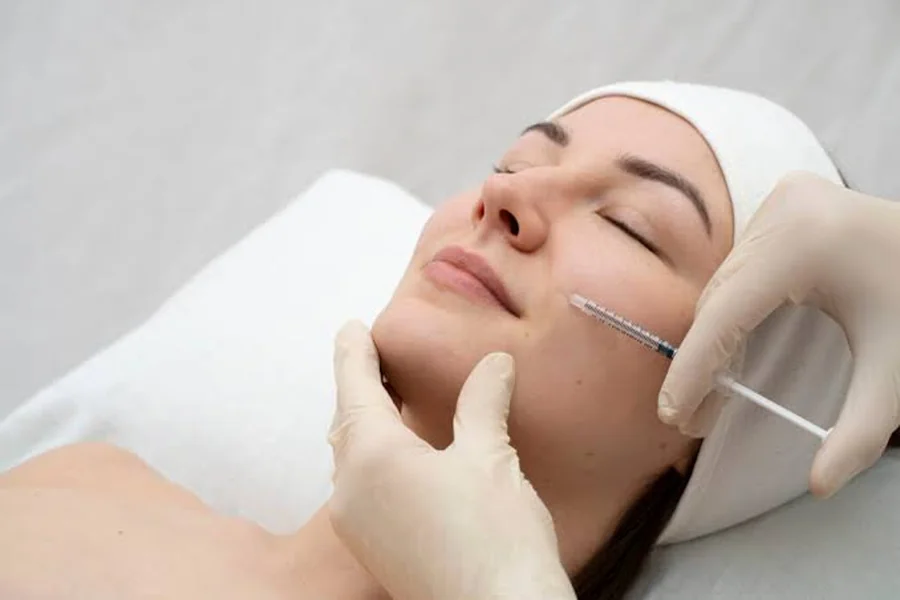
The Injectable Pairing Everyone’s Asking About in 2026
Quick Answer: Combining lip filler with a neurotoxin like Botox or Dysport in the same appointment has become one of the most requested treatment pairings at medical spas. The two work differently but complement each other well. Fillers restore volume and shape, while neurotoxins relax the muscles that create fine lines. Together, they deliver a more complete result than either treatment alone.
If you have been searching for lip filler near me and wondering whether to add a neurotoxin to the mix, the short answer is that a lot of people are doing exactly that, and for good reason. This pairing has become one of the more popular treatment combinations at medical spas heading into 2026, and understanding why makes it easier to figure out whether it makes sense for you.
Why the Lip Filler and Neurotoxin Pairing Works
Dermal fillers and neurotoxins are categorized as injectables, but they do very different things once they are in your skin. A filler adds physical volume and structure. It fills in lines, restores fullness to areas that have thinned over time, and can reshape features like the lips, cheeks, or jawline. A neurotoxin like Botox or Dysport works by temporarily relaxing specific muscles. It does not add volume. Instead, it smooths the skin above muscles that cause creasing and wrinkling when they contract.
When you pair the two, you are addressing both causes of aging at once. Volume loss is handled by the filler. Dynamic muscle activity, the kind that creates forehead lines, crow’s feet, and the fine lines around the lips known as lip lines or smoker’s lines, is handled by the neurotoxin. This is why the combination tends to look more natural and cohesive than treating just one factor in isolation.
What Lip Filler Actually Does
Lip filler is typically made from hyaluronic acid, a substance that naturally occurs in the body and attracts water, which gives tissues their plumpness. Injectable hyaluronic acid fillers are gel-like products that are placed precisely within the lip tissue to add volume, improve symmetry, and define the border of the lips. The vermilion border, the line where the lip meets the surrounding skin, can be enhanced for better definition. The body of the lip itself can be given more volume. The cupid’s bow can be shaped more deliberately.
Results are typically visible right away, with some initial swelling in the first day or two that settles to reveal the final result. Most people find that the results last anywhere from six months to over a year depending on the product used, where in the lips it is placed, and how the individual metabolizes the material. Lip filler requires no downtime in the traditional sense, though some bruising and swelling is common in the days immediately following treatment.
What Neurotoxins Do Around the Mouth
The muscles around the mouth are active constantly. They engage when you speak, eat, laugh, and make facial expressions. Over years of this repetitive movement, the skin above those muscles can start to develop fine lines that persist even when your face is at rest. Neurotoxins address this by temporarily reducing the strength of those contractions.
A small amount of Botox or Dysport placed in the orbicularis oris, the muscle that encircles the mouth, can soften vertical lip lines. It can also slightly relax the upper lip, which some people find gives it a more elevated appearance, sometimes called a lip flip, without the use of any filler at all. When combined with filler in the same appointment, the neurotoxin handles the dynamic component while the filler handles the structural component.
Why People Are Booking Both at Once
One of the practical advantages of doing both treatments in the same appointment is efficiency. You are already at the clinic, the area is already numb if topical anesthetic has been applied, and you are getting everything done in one visit. This matters for people who have busy schedules and do not want to make separate trips for each treatment.
There is also a clinical rationale for doing them together. When a provider can see the full picture of what is happening with your lip area at once, including the volume, the shape, and the muscle activity, they can make more informed decisions about quantities and placement. A filler placed in the lips when the surrounding muscle is already relaxed slightly may settle differently than one placed when the muscle is fully active. Some providers prefer to do neurotoxins first and filler second for this reason, though the sequencing can vary based on the provider’s approach and the individual’s anatomy.
Who Tends to Do Well with This Pairing
People who are already happy with their lip size and shape but are bothered by lines above the lips are often good candidates for neurotoxin alone or a small amount of neurotoxin paired with minimal filler. People who feel their lips have lost volume over time and also have lip lines are typically good candidates for the full pairing. People in their late twenties or early thirties who are noticing the first signs of volume loss in the lips and want to stay ahead of the process before it becomes more pronounced are increasingly seeking this combination as a preventative approach.
The conversation before any injectable treatment matters a great deal. A thorough consultation allows the provider to assess your facial anatomy, understand your goals, and recommend an approach that is realistic for you. Injectables require precision, and the right amount in the right location is what separates results that look natural from results that look overdone.
What to Expect During and After the Appointment
Most injectable appointments begin with a review of your medical history and goals, followed by photos and a discussion of the plan. Topical numbing cream is applied to the treatment area and left on for a period of time before injecting begins. Most hyaluronic acid fillers also contain a small amount of lidocaine, a local anesthetic, built into the formula, which adds to comfort during the injection process. Neurotoxin injections are quick and typically cause only minor discomfort.
After the appointment, it is common to have some redness, swelling, and possibly bruising at the injection sites. Cold compresses can help in the first several hours. Most people are comfortable going about their normal day after treatment, though exercise and alcohol are typically avoided for the rest of the day. The neurotoxin will begin to take effect gradually over the following one to two weeks. Filler results are visible immediately, with final results apparent once any swelling has fully resolved.
How Often You Might Repeat Treatment
Lip filler typically requires a touch-up or repeat treatment somewhere between six months and a year out, depending on how your body processes the material. Neurotoxin results around the mouth usually last three to four months. Many people choose to schedule both treatments on the same cadence so they can maintain their results efficiently. Over time, some people find that the amount needed to maintain results decreases slightly, particularly with neurotoxins, as the muscles become accustomed to relaxing regularly.
Finding the Right Clinic
The popularity of this pairing means there are a lot of providers offering it. The quality of outcomes varies significantly based on the training and experience of the injector, the products used, and how well the consultation process is conducted. Seeking out a clinic with a track record in injectables, qualified providers who understand facial anatomy, and a transparent consultation process will make a meaningful difference in what you walk away with.


